Table of Contents (18 sections)
Introduction
In today's fast-paced world, finding activities to promote relaxation is crucial. Crafting has emerged as a popular practice for enhancing mindfulness and reducing stress. Crafting for relaxation allows us to slow down, focus, and find joy in creating something with our hands.
Benefits of Crafting for Relaxation
Crafting is more than just a hobby. According to The American Art Therapy Association, engaging in creative activities can reduce anxiety, boost mood, and enhance overall well-being. Studies show that activities like knitting and drawing can decrease cortisol levels by up to 50%. Crafting can be an antidote to our stress-driven lifestyle by encouraging mindfulness and a state of flow.
10 Crafting Projects
Here's a list of crafting projects that are guaranteed to promote relaxation.
1. Knitting for Calmness
Knitting is a meditative activity that can induce calmness and improve focus. The rhythmic motion of knitting can lower blood pressure and heart rate, providing a soothing experience. Knitting communities, both online and offline, also offer social interaction, which is beneficial for mental health.
2. Mindful Drawing
Engaging in mindful drawing, such as Zentangle patterns, enhances concentration and reduces anxiety. This form of drawing doesn't require artistic skill, just an openness to explore patterns and shapes. As noted by the Therapeutic Art Institute, regular practice can improve cognitive function and emotional regulation.
3. Creative Journaling
Creative journaling combines writing and art, offering a unique way to express thoughts and emotions. By using prompts or free writing, individuals can explore their inner world and gain insights into their emotional state. This activity fosters self-reflection and can be adapted to any skill level.
4. Zen Gardening
Creating and maintaining a Zen garden is a peaceful and rewarding activity. Regardless of the size, tending to a garden encourages mindfulness and a connection with nature. The act of arranging stones and plants can be deeply satisfying and provide a sense of accomplishment.
5. Paper Quilling
Paper quilling involves rolling and shaping strips of paper into decorative designs. This tactile activity requires focus and patience, making it an excellent way to unwind and de-stress. The intricate designs that emerge can boost self-esteem and incite creativity.
6. Macramé for Mindfulness
Macramé, the art of knotting cords to create patterns, is gaining popularity for its simplicity and beauty. Making wall hangings or plant holders can be meditative, offering time to focus and breathe. Beginners can easily start with a simple pattern and progress to more complex designs.
7. Soap Making
Crafting soaps is both a practical and creative activity. Selecting scents and molds allows for personal expression while making functional art. Plus, the final product is a useful addition to your home, adding a hint of personal touch to daily routines.
8. Pottery and Clay
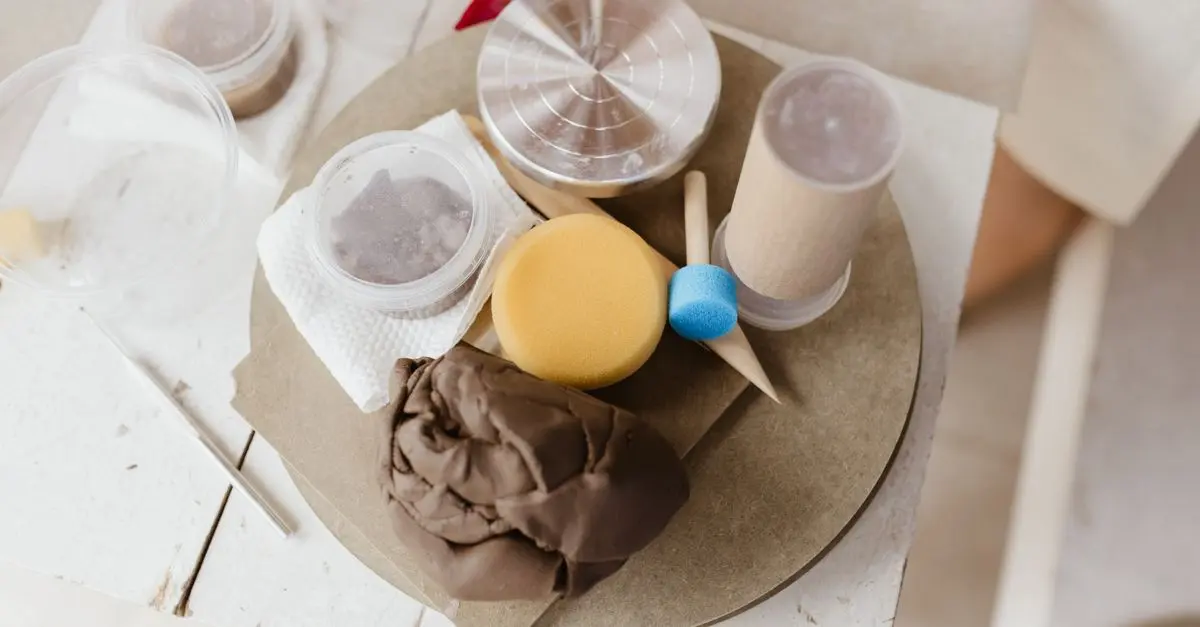
Working with clay engages multiple senses and provides a hands-on experience with nature. The tactile process of shaping clay can be therapeutic, prompting a deep sense of contentment. Pottery studios often offer classes that can boost skills and facilitate social connections.
9. Candle Making
Candle making can be a simple activity, filling your space with personalized scents and colors. Experimenting with natural dyes and essential oils allows for creativity and personalization. The ambient glow and aroma from homemade candles can enhance relaxation at home.
10. Embroidery Meditation
Embroidery combines artistic expression with mindfulness, requiring attention to detail and patience. The process of stitching patterns encourages relaxation and enjoyment of the creative journey. Even simple designs can result in beautiful, personalized textile art.
Crafting Comparison: Traditional vs. Digital
For those exploring different crafting avenues, here's a comparative look at traditional and digital crafting:
| Aspect | Traditional Crafting | Digital Crafting | Combination Approach |
|---|---|---|---|
| Sensory Engagement | High | Low | Moderate |
| Flexibility | Limited | High | Variable |
| Learning Curve | Moderate | Low | Moderate |
| Social Interaction | In-Person Communities | Online Communities | Hybrid Groups |
Glossary
| Terme | Définition |
|---|---|
| Mindfulness | The practice of being fully present and engaged in the moment. |
| Zen Garden | A Japanese garden that fosters meditation and calmness. |
| Zentangle | A meditative art form using repetitive patterns to promote relaxation. |
Checklist
- [ ] Choose a crafting project that excites you
- [ ] Gather all necessary materials beforehand
- [ ] Set a comfortable, distraction-free environment
- [ ] Allow yourself to enjoy the process, not just the result
- [ ] Reflect on the experience and its impact on your well-being
📺 For further exploration: Exploring the Benefits of Crafting for Mindfulness, a detailed video on the subject. Search on YouTube: "Crafting for mindfulness benefits".
🧠 Quiz rapide: [What type of crafting is known for its meditative benefits?]
- A) Knitting
- B) Driving
- C) Cooking
Réponse: A) Knitting is known for its rhythm and calming effects.