Table of Contents (10 sections)
In recent years, especially as we dive into 2026, leisure lifestyle trends have shifted significantly towards eco-conscious activities. More individuals are keen on embracing sustainable practices in their free time, aligning their leisure activities with environmental preservation. From eco-tourism to plant-based cooking classes, there's a palpable trend toward seeking enjoyment while minimizing ecological impact. In fact, a recent survey indicated that over 70% of respondents prefer leisure activities that contribute positively to the environment [Source: ADEME]. This movement reflects a growing awareness of our environmental responsibilities and the role leisure plays in addressing climate change.
The Popularity of Eco-Tourism
Eco-tourism is at the forefront of this movement, appealing to travelers who desire meaningful experiences without damaging the planet. Eco-tourism offers nature enthusiasts a way to explore breathtaking landscapes while simultaneously supporting conservation efforts and local communities. In 2026, destinations like Costa Rica and New Zealand have implemented eco-friendly practices to attract eco-conscious tourists, showcasing renewable energy sources, wildlife protection, and local culture. The impact of this trend is significant; according to industry forecasts, eco-tourism is expected to grow by 25% annually over the next decade [Source: Les Numériques].
Moreover, many eco-tourism operators have begun to offer activities such as guided hikes led by local conservation experts or wildlife safaris that prioritize animal welfare. This not only educates travelers but also fosters a deeper connection to the environments they visit, potentially leading to more sustainable choices in other areas of their lives.
Sustainable Leisure Activities at Home
As people spend more time at home due to the rise of remote work, many are turning to sustainable leisure activities that encourage self-sufficiency and environmental stewardship. Gardening, particularly the practice of urban gardening, allows individuals to cultivate their food while enhancing local biodiversity. In 2026, statistics show that the number of urban gardens in cities across the U.S. increased by 30% in just two years [Source: INSEE].
This trend encourages communities to come together, share resources, and even barter produce, further embedding sustainability into everyday life. Additionally, activities like DIY crafts from recyclable materials have gained traction, with individuals finding joy and purpose in creating while minimizing waste. Participating in community workshops not only fosters creativity but also promotes sustainable practices at a grassroots level.
Shift Towards Plant-Based Leisure Activities
Another notable trend within leisure lifestyle choices is the increasing interest in plant-based cooking classes and culinary experiences centered around sustainability. In 2026, the demand for plant-based diets is not just a trend—it has become a lifestyle choice for many, with a 40% increase in the number of plant-based restaurants and cooking courses available [Source: UFC-Que Choisir].
These cooking classes not only teach participants how to create delicious meals using local and seasonal ingredients but also discuss the environmental benefits of reducing meat consumption. The sessions often include discussions on how food choices impact climate change, empowering individuals to make informed choices whether they’re at home or dining out.
The Rise of Mindfulness and Nature Connection
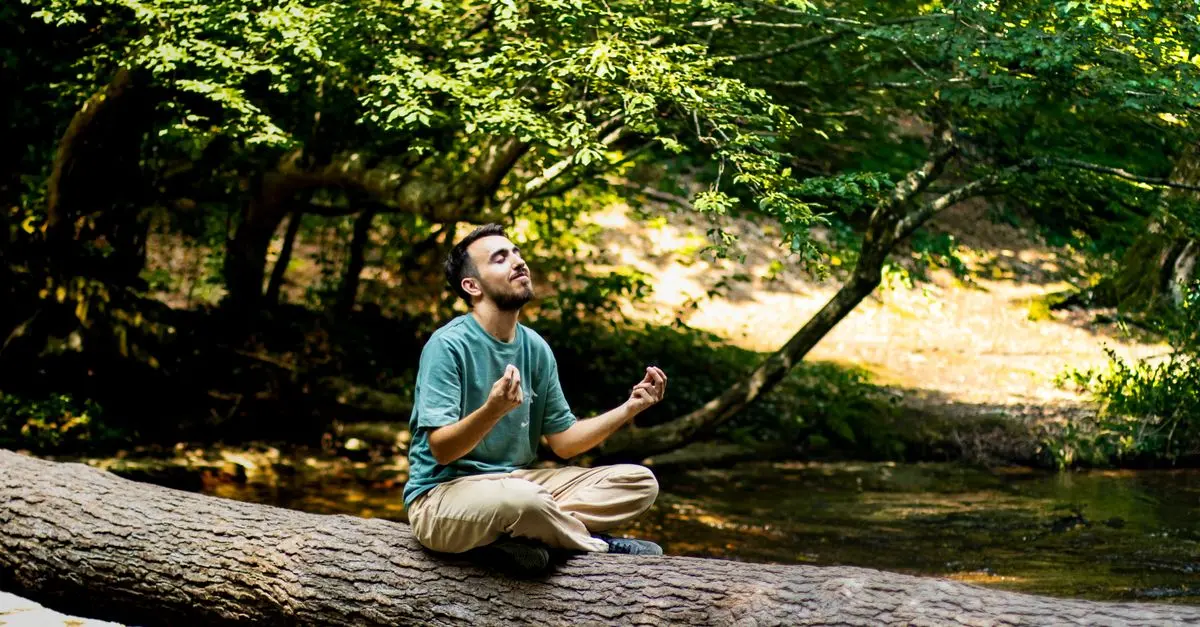
Connecting with nature through mindfulness practices is another trend shaping leisure activities. Many are now participating in guided forest walks or eco-meditation retreats, where the focus is on becoming more aware of one’s surroundings while promoting mental well-being. Research suggests that exposure to natural environments can enhance mental health by reducing stress and anxiety [Source: 60 Millions de Consommateurs]. In 2026, studies indicate that nearly 60% of individuals partake in some form of eco-centric mindfulness practice.
Such experiences are designed to help participants engage deeply with their natural surroundings, creating a lasting positive impact on their environmental consciousness. Promoting the idea that caring for the environment can also be therapeutic is revitalizing how people perceive their leisure time.
Comparative Analysis of Eco-Conscious Leisure Activities
| Activity Type | Eco-Tourism | Urban Gardening | Plant-Based Cooking | Mindfulness in Nature |
|---|---|---|---|---|
| Environmental Impact | High | Moderate to High | Moderate | High |
| Community Engagement | Strong | Very Strong | Moderate | Moderate |
| Accessibility | Variable | High | Moderate | Moderate |
| Learning Opportunity | Cultural & Ecological | Agricultural Skills | Culinary Techniques | Wellness Practices |
FAQ about Eco-Conscious Leisure Activities
Q: What are eco-tourism options available in my area?
A: Many regions now offer eco-tourism packages that include hiking, wildlife watching, and stays in eco-friendly accommodations. Check local travel sites or tourism boards for ideas.
Q: How can I start an urban garden?
A: Begin by selecting a small space in your yard or patio, choose a variety of plants that thrive in your climate, and consider joining a local gardening group for support and resources.
Q: What benefits do plant-based diets offer?
A: Plant-based diets can promote better health, reduce environmental strain, and offer ethical food choices. They are also more economical in many cases.
Q: How can mindfulness practices help me connect with nature?
A: Mindfulness practices encourage deeper awareness and appreciation of your surroundings, enhancing relaxation and reducing stress while fostering connection with the environment.
Conclusion
The rise of eco-conscious leisure activities reflects a broader cultural shift towards sustainability and responsible living in 2026. As individuals increasingly seek leisure activities that enrich both their lives and the planet, the importance of engaging in sustainable practices becomes clear. By adopting eco-friendly activities, we pave the way for a healthier planet and a more fulfilling way to enjoy our leisure time.
We’ve selected several products suited for your eco-conscious lifestyle; check out our recommendations below!
Glossary
| Term | Definition |
|---|
| Eco-Tourism | Responsible travel to natural areas, preserving the environment.
| Urban Gardening| Growing plants in urban areas, promoting sustainable food sources.
| Mindfulness | A practice of being present in the moment, often connected to nature.
Checklist before engaging in eco-conscious activities
- [ ] Research local eco-tourism options.
- [ ] Plan a small urban garden at home.
- [ ] Enroll in a plant-based cooking class.
- [ ] Find a local meditation group focusing on nature.
- [ ] Explore DIY recycling projects.
📺 For more insights: Explore the world of eco-conscious leisure activities. Search on YouTube: eco-conscious leisure activities 2026.
📺 Pour aller plus loin : eco-conscious leisure activities 2026 sur YouTube