Table of Contents (13 sections)
Introduction to Slow Living
In today's fast-paced world, the slow living movement offers a refreshing escape by encouraging individuals to embrace a more mindful and intentional lifestyle. But what exactly does slow living mean? At its core, slow living involves prioritizing quality over quantity, focusing on sustainability, simplicity, and connection with oneself and others. This lifestyle shift seeks to reduce the chaos that embodies modern living, promoting an environment where people can thrive by fostering deeper relationships, reduced stress, and a greater appreciation for the present moment.
According to Forbes, slow living has roots in the slow food movement that began in the late 1980s in Italy, countering the rise of fast food culture. Understandably, this lifestyle is not about literally slowing down every aspect of life. Instead, it emphasizes making conscious choices that align with personal values, often leading to a reevaluation of priorities and a more balanced life.
Principles of Slow Living
The principles of the slow living movement can be broken down into several key aspects:
- Simplicity: This involves decluttering both physically and mentally. It could mean reducing material possessions or cutting down on digital distractions to focus more on meaningful activities.
- Sustainability: Slow living encourages practices that are environmentally friendly, advocating for reduced consumption and a focus on sustainability, echoing values similar to those promoted by Greenpeace.
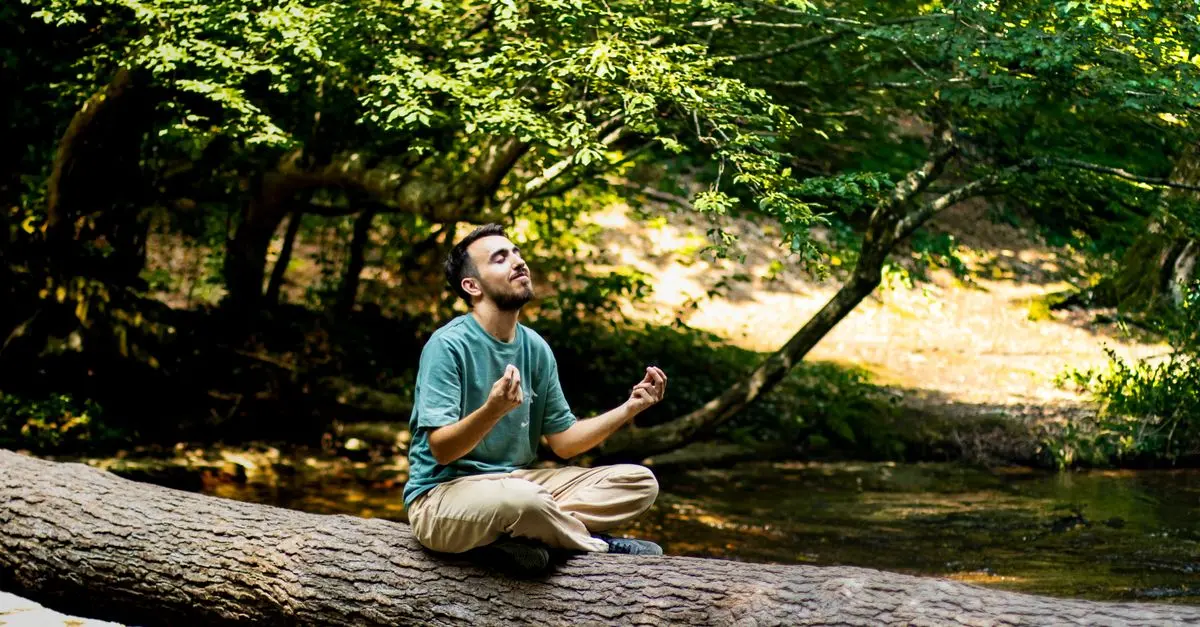
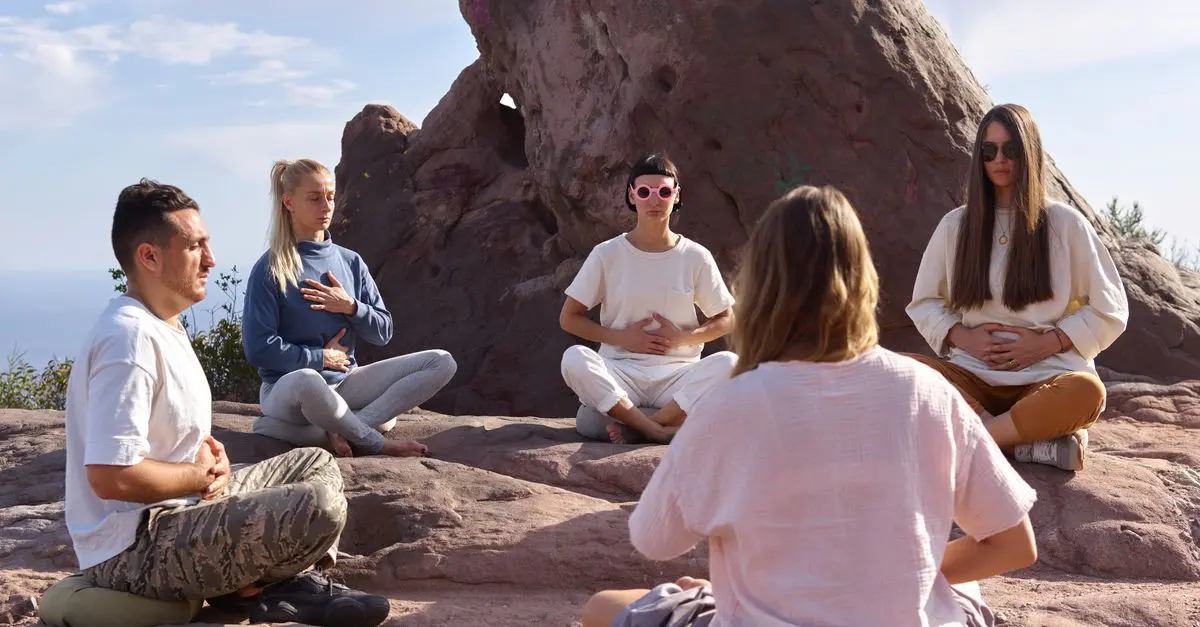
- Mindfulness: Engaging in mindfulness helps practitioners stay present and appreciate their surroundings.
- Connection: Building strong, meaningful relationships with family, friends, and community is another cornerstone.
- Purposefulness: Activities chosen should align with personal goals and values, enhancing an individual's sense of purpose.
These principles empower individuals to lead deliberate lives with less stress and more satisfaction. They also encourage a sense of community, often overlooked in the bustling city life.
How to Embrace Slow Living: Practical Steps
Embarking on a journey to slow living doesn't require an overnight transformation. Start small, as even minor changes can significantly improve your quality of life.
- Prioritize your time: Begin by assessing your current commitments. Eliminate tasks that don't align with your values or provide joy.
- Digital detox: Schedule time away from screens to focus on offline hobbies or time with loved ones.
- Mindful consumption: Be intentional with purchases, focusing on quality, and sustainability. The Zero Waste Movement provides great insights into sustainable living.
- Nature immersion: Spend time in nature to reconnect and rejuvenate your mind and body.
- Simplified living spaces: Minimize clutter in your environment to create a more peaceful, focused atmosphere.
Implementing these steps in a structured way ensures a smoother transition and helps maintain long-term slow living habits.
Slow Living in Contrast: Fast-Paced Living
To understand the benefits of slow living, it's informative to consider its counterpart: the fast-paced lifestyle. Below is a comparison:
| Aspect | Slow Living | Fast-Paced Living |
|---|---|---|
| Focus | Quality, mindfulness | Quantity, efficiency |
| Goal | Personal fulfillment | Achievement, productivity |
| Stress Levels | Lower | Higher |
| Decision Making | Intentional, thoughtful | Quick, sometimes reactive |
Evaluating the Benefits: Data-backed Analysis
The slow living approach has shown tangible benefits backed by research. A study by Harvard Business Review found that reducing work hours and focusing on life quality results in increased productivity and job satisfaction. According to Mindful Magazine, practicing mindfulness as part of slow living significantly decreases stress levels and enhances overall mental health.
Additionally, Statista reported that individuals who engaged in regular outdoor activities as part of their slow living routine had increased physical health indicators. These findings underline the multi-faceted advantages of adopting this lifestyle.
What is the slow living movement?
The slow living movement is a lifestyle choice focused on simplicity, mindfulness, sustainability, and personal fulfillment.
How can I start slow living?
Begin by prioritizing time, practicing digital detox, engaging in mindful consumption, spending more time in nature, and decluttering your living space.
What are the benefits of slow living?
Benefits include reduced stress, increased personal and professional satisfaction, stronger relationships, and improved health.
Is slow living expensive?
Not necessarily. Slow living emphasizes quality over quantity, which can mean fewer purchases overall but may have initial costs related to sustainable choices.
Glossary
| Terme | Définition |
|---|---|
| Mindfulness | A mental state achieved by focusing one's awareness on the present moment while calmly acknowledging and accepting feelings, thoughts, and bodily sensations. |
| Sustainability | Meeting the needs of the present without compromising the ability of future generations to meet their own needs. |
| Decluttering | The act of removing unnecessary items from a space to improve its functionality and appearance. |
- [ ] Assess personal values and priorities.
- [ ] Plan a digital detox for the upcoming weekend.
- [ ] Reduce personal belongings by decluttering.
- [ ] Spend at least one hour outdoors each day.
- [ ] Regularly review and adjust your schedule to remove non-essential tasks.
💡 Avis d'expert : "Embracing slow living is not about eliminating technology or modern conveniences—it is about using them wisely to enhance life quality."
Conclusion
The journey towards a slow living lifestyle offers numerous rewards. By simplifying daily habits, focusing on meaningful experiences, and reducing unnecessary stress, you can cultivate a more fulfilling life. Start your slow living journey today.
📺 Ressource Vidéo : [Slow Living: How to Start and Sustain], a thorough analysis of transition tips. Recherchez sur YouTube : "slow living how to start"
🧠 Quiz rapide : Which of these is not a principle of slow living?
- A) Sustainability
- B) Productivity
- C) Mindfulness
Réponse : B — Slow living focuses more on quality of life than productivity.