Table of Contents (10 sections)
Understanding Your Needs
Creating a meditation space starts with understanding your personal needs and preferences. Consider what you wish to achieve in your space: relaxation, mindfulness, or spiritual growth. Reflect on past experiences; what elements made you feel most at peace? The American Meditation Society suggests focusing on elements like lighting, comfort, and colors that resonate with you personally.
For example, if you find tranquility in nature, incorporating earth tones and plants might align with your goals. Avoid clutter, as it can distract your focus. Research by the Journal of Environmental Psychology (2025) highlights the importance of minimalism in promoting a clear mind. To begin, jot down your thoughts and plan around your aspirations for the space.
Choosing the Right Location
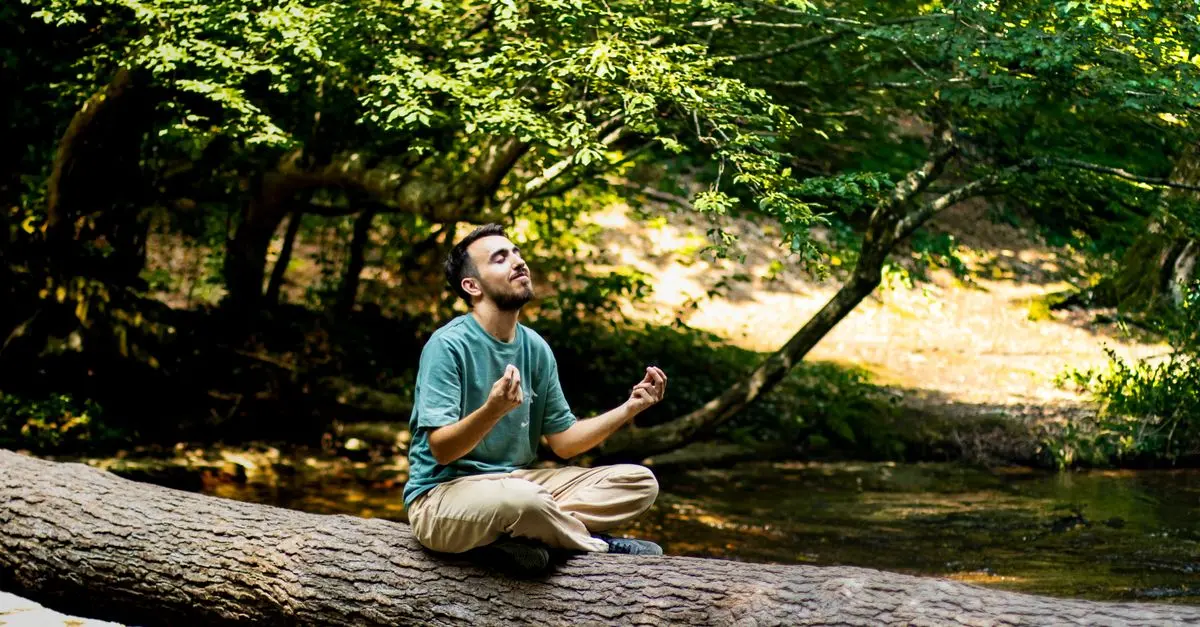
The location of your meditation space plays a pivotal role in its effectiveness. Seek a quiet area away from high-traffic zones in your home. This could be a corner in your bedroom, a small unused room, or even an outdoor garden space.
Natural light enhances mood and concentration, so position your meditation area near windows if possible. According to UFC-Que Choisir, exposure to daylight can boost serotonin levels, enhancing your overall sense of well-being. Avoid locations near noisy appliances or busy streets, as these can disrupt your practice.
💡 Expert Insight: Consider using soundproofing panels for urban settings or noise-cancelling devices to preserve peace.
Designing with Elements
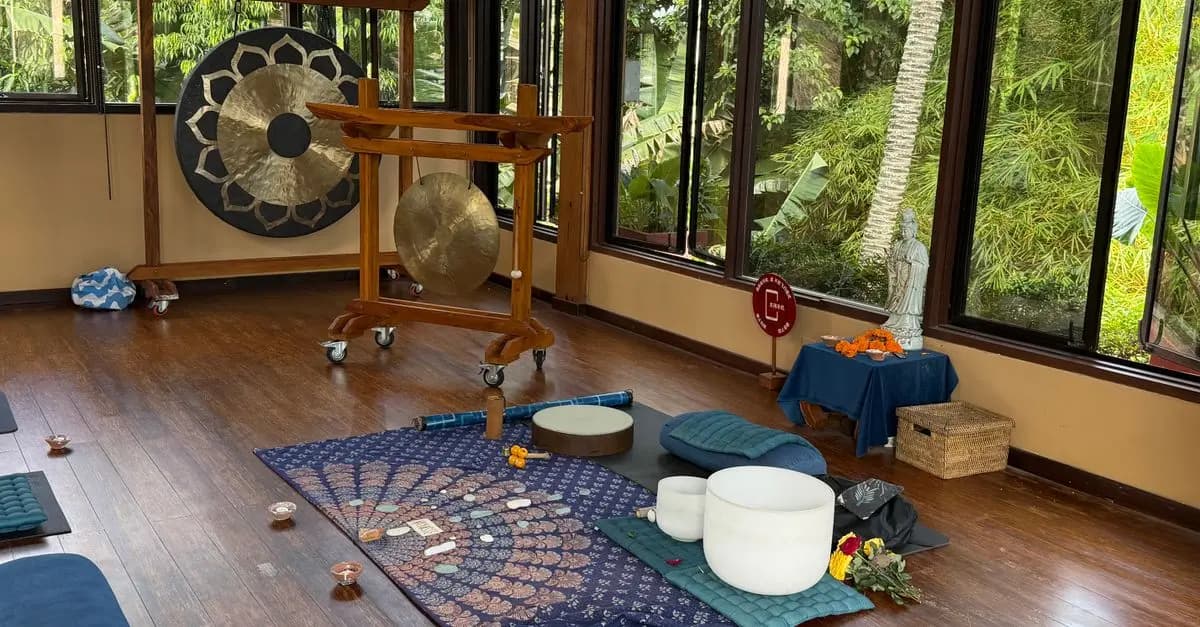
Decorating your meditation space with the right elements can transform its ambiance. Use calming colors like blues and greens that are often associated with tranquility. Add aromatic elements like incense or essential oil diffusers; studies suggest certain scents like lavender can reduce stress levels by 34% (Journal of Health Studies).
Integrate a sense of nature with indoor plants or water features. Indoor plants not only purify air but also enhance mood and vitality. Choose from options like sansevieria or peace lilies, which require minimal maintenance and boast air-purifying qualities.
Selecting Furniture and Decor
Comfortable and functional furniture is key. Opt for cushions or a meditation bench depending on your posture preferences. Low seating arrangements can help ground you, making it easier to connect with your practice.
Decor can include wall hangings or spiritual symbols that hold personal significance. According to Les Numériques, personalization is crucial; tailor the decor to items that inspire or calm you. Ensure everything in the space serves a purpose to avoid unnecessary clutter.
Incorporating Technology
While traditionalists may shy away from technology, it can enhance your practice. Smart lighting systems controlled by apps can adjust brightness to match your mood. Spotify and Calm offer playlists designed specifically to aid meditation.
Introduce a speaker for guided meditations or soothing background music. However, remain cautious; technology should enhance, not distract, from your practice. Limit screen exposure to prevent turning your sacred space into another digital hub.
Maintaining Your Space
Regular maintenance preserves the sanctity and functionality of your meditation area. Establish a cleaning routine and ensure decor and furniture are free of dust and damage. Refresh any perishable elements, such as flowers or essential oils, periodically.
Evaluate your space periodically to ensure it still aligns with your evolving meditation goals. A study by the NAA (2026) found that adaptive environments support ongoing personal growth more effectively than static settings.
🧠 Quiz rapide: How often should you refresh a meditation space?
- A) Monthly
- B) Seasonally
- C) Annually
Réponse : B — Seasonal adjustments consider environmental and personal changes.
📺 For further exploration: [Creating a Sacred Space at Home], an insightful guide to meditative environment design. Search on YouTube: "meditation space creation guide".
Glossary
| Terme | Définition |
|---|---|
| Serotonin | A chemical that contributes to well-being and happiness. |
| Sanskrit | An ancient language that is the classical language of Hinduism. |
| Diffuser | A device used to diffuse essential oils into the air. |
Checklist Before Starting
- [ ] Identify personal goals and requirements
- [ ] Choose an optimal location within your home
- [ ] Integrate appropriate design elements
- [ ] Select comfortable, minimal furniture and decor
- [ ] Consider technology to aid meditative practice
- [ ] Establish a maintenance routine for your space