Table of Contents (13 sections)
Introduction
Creating a home art studio is an exciting journey that allows you to personalize a space where creativity knows no bounds. Whether you're a watercolor enthusiast or a digital artist, having a dedicated space can enhance your artistic flow. This guide will walk you through building the ultimate home art studio tailored to your needs.
Step 1: Choosing the Right Space
To begin with, identify the best location in your home. Consider natural light, available space, and proximity to power outlets. An ideal spot would be near a window for ample daylight. Many artists find that small attic spaces or corners of living rooms work well too. According to the American Institute of Architects, incorporating natural light reduces stress and increases productivity. Remember, the space should inspire you!
Step 2: Essential Tools and Equipment
Next, compile a list of must-have tools. This varies depending on your art form. For painters, an easel, brushes, and paints are essential. Digital artists will need a reliable computer and drawing tablet. According to UFC-Que Choisir, investing in quality tools enhances your work significantly. Avoid overcrowding your space—choose equipment that supports your workflow.
Step 3: Organize for Efficiency
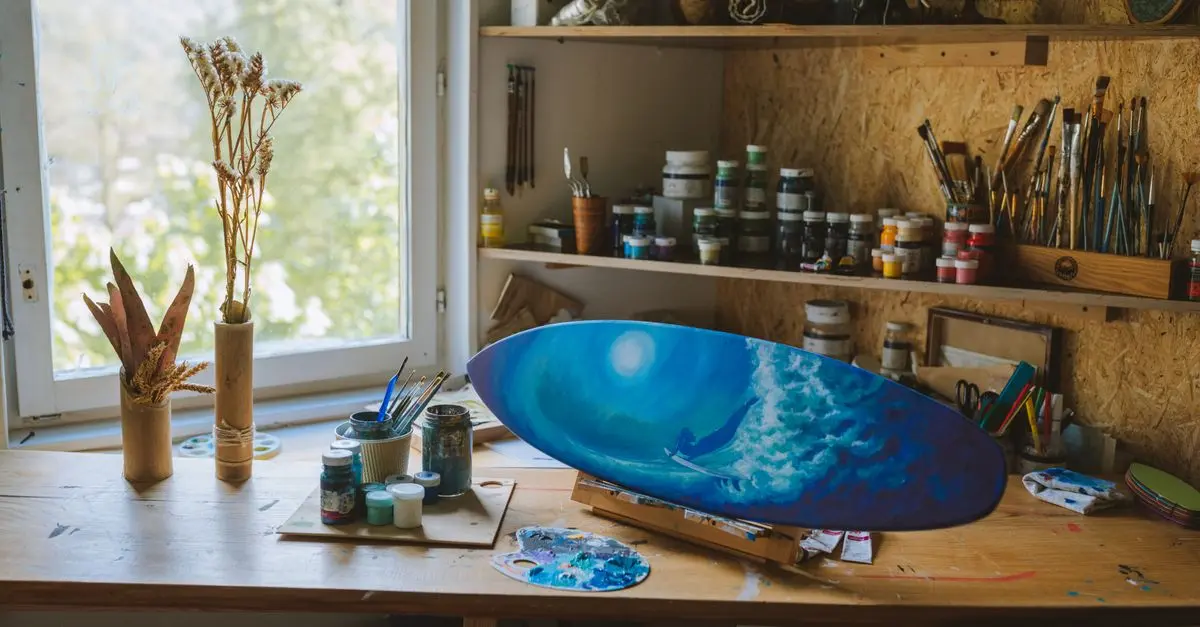
An efficient studio is well-organized. Utilize shelving units, drawers, and pegboards to keep materials within easy reach. Labeling sections can save time. As per 60 Millions de Consommateurs, a clutter-free environment boosts creativity. Keep frequently used items like sketchbooks or brushes close at hand.
Step 4: Lighting and Ambience
Lighting is crucial in an art studio. Combine natural and artificial lighting to ensure proper illumination. LED lights mimic daylight and are energy-efficient. The Illuminating Engineering Society suggests using adjustable lamps to reduce eye strain. Consider adding personal touches, like plants or artwork, to make the space inviting.
Step 5: Personalization and Comfort
Adding personal elements can significantly enhance your studio experience. Incorporate comfortable seating and a music system for inspiration. Choose a color palette that motivates you; some artists prefer neutral tones, whereas others thrive in vibrant hues. According to Pantone, color choice can influence mood and productivity.
Step 6: Budget Planning
Setting a budget is essential. According to Better Homes & Gardens, many artists successfully set up studios with under $500 by focusing on essentials first and upgrading over time. Compare prices online and in stores to find cost-effective solutions.
Step 7: Connectivity and Integration
Ensure your studio is technologically equipped if your work requires digital tools. Having a stable internet connection can facilitate sharing your work online or accessing art communities. Consider how different technologies integrate to streamline your process.
Comparative Analysis
| Criterion | Natural Light | LED Lighting | Fluorescent | Verdict |
|---|---|---|---|---|
| Energy Use | Low | Very Low | Medium | LED preferred |
| Light Quality | Excellent | Good | Average | Natural preferable |
| Cost | None | Moderate | Low | Fluorescent cheaper |
| Installation | Easy | Medium | Easy | All viable |
Glossary
| Term | Definition |
|---|---|
| Easel | A stand used to hold a canvas upright. |
| LED Lighting | Energy-efficient lights mimicking daylight. |
| Pegboard | A board with holes for holding hooks and tools. |
Checklist before Starting
- [ ] Verify adequate natural light
- [ ] Compile essential tools list
- [ ] Set up shelving and storage solutions
- [ ] Install suitable lighting
- [ ] Set a clear budget
- [ ] Ensure stable internet connectivity
🧠 Quiz rapide: What's the recommended type of lighting for reducing eye strain?
- A) Incandescent
- B) LED
- C) Halogen
Réponse: B — LED lights are optimal for reducing eye strain.
📺 For further exploration: Exploring Small Art Studio Setups, an in-depth video on organizing compact studios. Search on YouTube: "small art studio setup".
Conclusion
Creating a home art studio is an enriching endeavor, paving the way for endless creativity. By carefully choosing the right space, selecting essential tools, and customizing it to your taste, you can craft a personal sanctuary for artistic exploration.
- What is an ideal size for a home art studio?
Most artists recommend at least a 10x10 feet space for personal projects.
- How much natural light is optimal?
More natural light is better, but ensure you have curtains or blinds to control glare.
- What are some budget-friendly tools for beginners?
Online marketplaces often have affordable starter kits with basic tools.
- Can a home art studio be set up in small spaces?
Yes, with compact furniture and efficient organization, even small spaces can function well.