Table of Contents (12 sections)
Understanding Urban Gardening
Urban gardening refers to the practice of cultivating plants in a city environment. This trend has gained momentum due to its capacity to transform limited spaces into lush, green sanctuaries. According to National Geographic, urban gardening can not only beautify a space but also contribute to environmental sustainability by increasing urban biodiversity and reducing urban heat. As cities grow denser, urban gardens can also combat food insecurity by providing fresh produce.
Step 1: Assess Your Space
Before plunging into urban gardening, it's crucial to assess your available space. This could range from a small balcony to a rooftop or even a windowsill. Calculate the sunlight exposure since most plants need 6-8 hours daily. If you're working with minimal space, vertical gardening can be an innovative solution. Also, ensure the structural integrity of your space, especially when dealing with rooftops. It's recommended by The American Society of Landscape Architects to check weight limits and water drainage systems.
Step 2: Choose the Right Plants
Selecting plants suitable for urban gardening is essential. Consider native species or those well-adapted to container life, such as herbs, tomatoes, or lettuce. According to The Royal Horticultural Society, native plants often require less maintenance and water. Additionally, consider plants' sunlight and space requirements to avoid overcrowding. Starting with hardy, beginner-friendly plants can help build your green thumb confidence.
Step 3: Gather Essential Tools
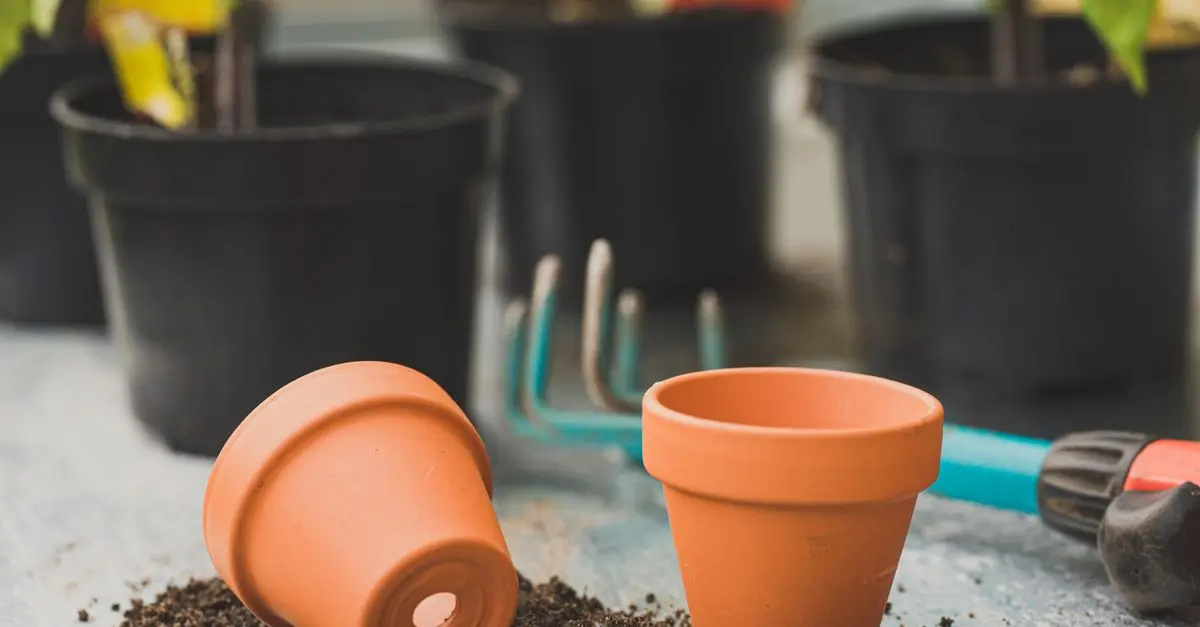
Even in the smallest garden, quality tools are a gardener's best friend. Basic tools include a watering can, hand trowel, pruning shears, and gloves. Avoid cheap, disposable options that can break easily. Investing in durable tools is important for long-term success. Consumer Reports suggests looking for stainless steel options for durability and rust resistance.
Step 4: Prepare the Soil or Containers
Whether using containers or raised beds, soil preparation is pivotal. Opt for a high-quality potting mix, rich in nutrients and with good drainage. Containers should have adequate drainage holes to prevent root rot. Amending the soil with organic matter such as compost can improve its texture and fertility. The University of California Cooperative Extension recommends testing your soil regularly to maintain its health.
Step 5: Planting and Care
Planting might seem straightforward, but there are nuances. Ensure proper spacing between plants to allow for growth and airflow, reducing disease risk. Maintain regular watering schedules, keeping in mind that container plants may require daily watering during peak summer. Our experience shows that observing the health of your plants and adjusting care routines is key to thriving urban gardening.
Comparison Table
| Aspect | Balcony Gardening | Rooftop Gardening | Vertical Gardening | Windowsill Gardening |
|---|---|---|---|---|
| Space Requirement | Limited | Moderate-high | Minimal | Minimal |
| Sunlight | Varies | High | Varies | Low-moderate |
| Cost | Low | Moderate | Moderate | Low |
| Maintenance Need | Low | High | Moderate | Low |
Analytical Insights
According to a 2025 study by Harvard University, urban gardens can produce up to 20% of a household's fresh produce needs annually. This not only addresses food scarcity but also impacts urban health positively. Experts at The World Health Organization highlight that urban gardens can reduce air pollution and promote mental well-being for city dwellers.
FAQs
- What is the best time to start urban gardening?
- Early spring is ideal, giving plants ample time to establish before summer heat.
- How do I maintain my urban garden during winter?
- Use frost covers, consider indoor growing, or select winter-hardy plants.
- How often should I water my urban garden?
- Typically daily in summer, but depends on plant types and conditions.
- Can I grow root vegetables in an urban garden?
- Yes, using deep containers or raised beds with adequate soil depth.
Glossary
| Terme | Explication |
|---|---|
| Potting Mix | A soilless blend of ingredients designed for container growth. |
| Native Plants | Flora indigenous to a specific region, requiring less maintenance. |
| Vertical Gardening | A method of growing plants on vertical surfaces or structures. |
Checklist Before You Start
- [ ] Evaluate your available space and sunlight exposure
- [ ] Choose plants suited for urban environments
- [ ] Acquire essential gardening tools
- [ ] Prepare soil or select appropriate containers
- [ ] Establish a consistent watering and care routine
📺 For more insights: Urban Gardening Essentials, a comprehensive exploration of starting an urban garden. Search on YouTube: "urban gardening basics"
🧠 Quick Quiz: [What is a key benefit of urban gardening for cities?]
- A) Reduces biodiversity
- B) Increases urban heat
- C) Promotes environmental sustainability
Answer: C — Urban gardening enhances environmental sustainability by increasing biodiversity and reducing heat.