Table of Contents (10 sections)
Introduction
Meditation has been embraced by cultures worldwide as a means of achieving spiritual growth, mental clarity, and emotional well-being. In this article, we delve into diverse meditation cultural practices, examining their unique characteristics and benefits.
What is Meditation and Why Does it Matter?
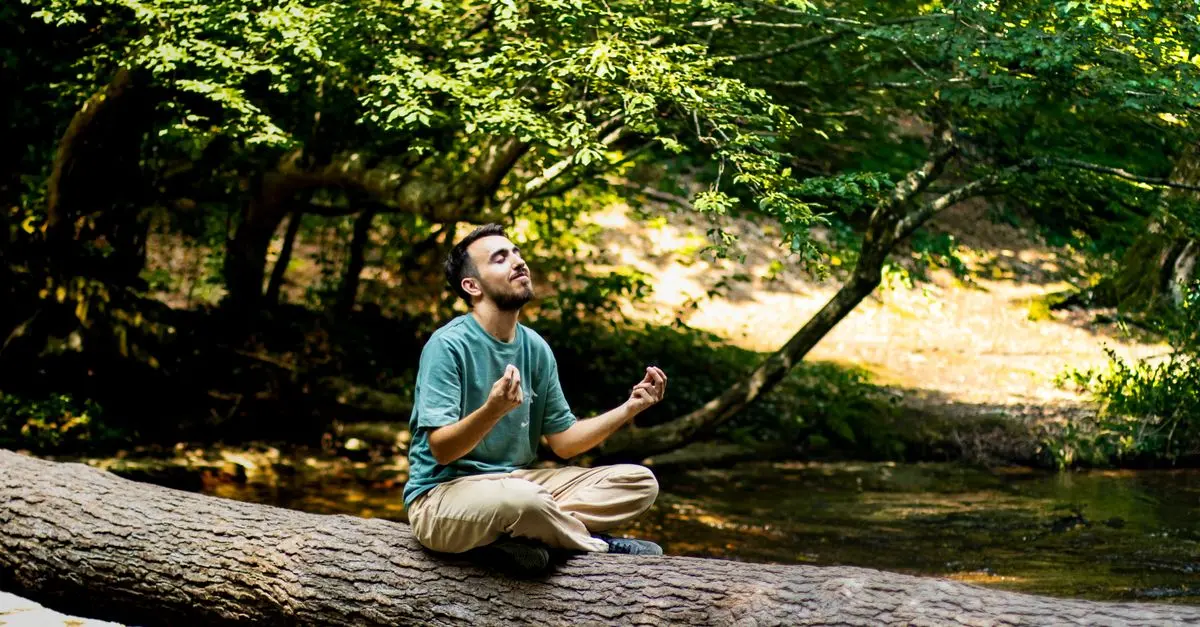
Meditation is a practice where an individual uses a technique—such as mindfulness or focusing one's mind on a particular object, thought, or activity—to train attention and awareness, achieving a mentally clear and emotionally calm state. Various cultures have refined their practices over centuries, tailored to their spiritual beliefs and lifestyle needs.
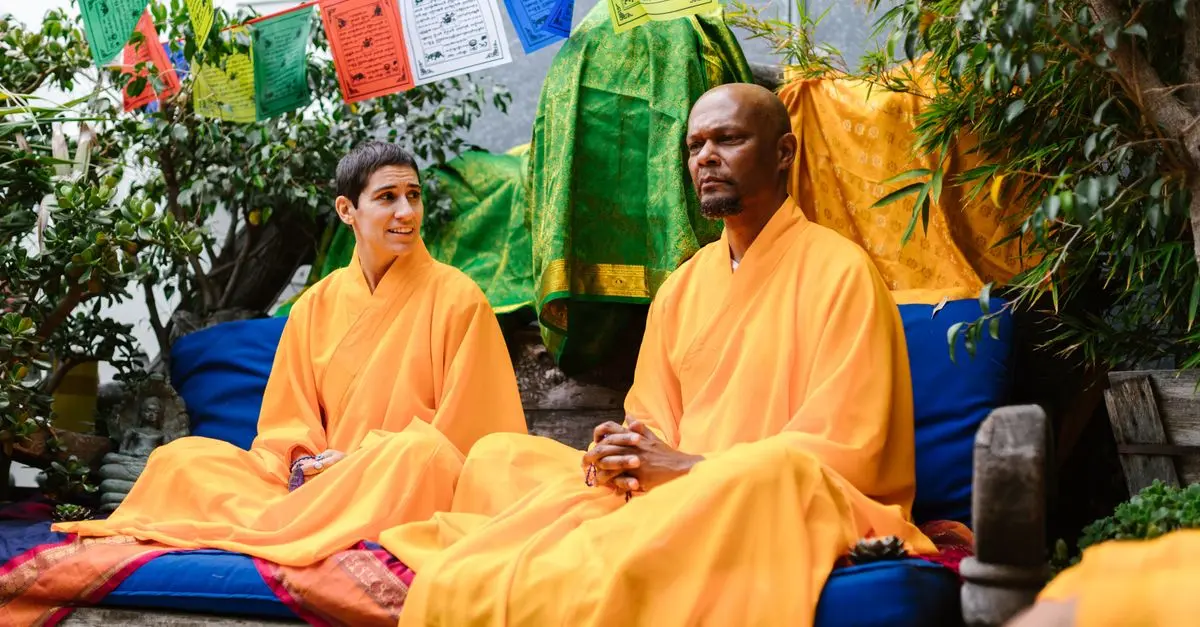
Different cultures emphasize different aspects of meditation. For instance, Zen Buddhism focuses on seated meditation, or zazen, where practitioners aim for insight through observation. In contrast, Transcendental Meditation (TM), developed in India, involves silently repeating a mantra to settle the mind.
Understanding these practices offers more than just cultural insight. It provides diverse tools for stress relief and mental health improvement, as our fast-paced world in 2026 demands effective coping techniques.
Step-by-Step Guide: How to Practice Cultural Meditation Techniques
To experience meditation, try these simplified steps tailored to well-known cultural practices:
1. Mindfulness Meditation (Buddhist Origin):
- Step 1: Find a comfortable, quiet spot and sit in a relaxed position.
- Step 2: Focus your attention on your breath, noticing the inhale and exhale.
- Step 3: Acknowledge thoughts as they appear and gently bring your focus back to your breath.
2. Zazen (Japanese Zen Buddhism):
- Step 1: Sit cross-legged or on a chair with your back straight.
- Step 2: Place your hands comfortably on your lap.
- Step 3: Maintain awareness of your posture and breathing, allowing thoughts to pass without engagement.
Executing these techniques consistently can enhance mental clarity and emotional stability. Whether you're seeking spiritual enlightenment or a method to reduce stress, exploring cultural practices offers valuable insights.
Comparing Global Meditation Practices
| Criterion | Mindfulness Meditation | Zazen | Transcendental Meditation |
|---|---|---|---|
| Origin | Buddhism | Zen Buddhism | Hinduism |
| Focus | Breath and awareness | Posture and stillness | Repetition of mantra |
| Practice Style | Informal, flexible | Strict, structured | Structured, guided |
| Benefits | Reduced stress, focus | Insight, discipline | Relaxation, creativity |
Verdict
Mindfulness offers flexibility and is accessible for beginners, while Zazen demands discipline but yields deeper insight. Transcendental Meditation provides structured relaxation, ideal for stress relief and personal growth.
Analyzing Meditation Trends in 2026
Meditation has gained immense popularity, with data from Harvard Health Publishing revealing that millions worldwide have adopted practices to enhance their mental well-being. Mental Health America reported a 25% increase in meditation class enrollments over the past year.
The resurgence of interest can be attributed to increasing stress levels and the accessibility of meditation apps and online classes. Furthermore, studies by Johns Hopkins University show that consistent meditation practice improves focus and decreases symptoms of anxiety.
Q: What is the best meditation practice for beginners?
A: Mindfulness meditation is ideal due to its simplistic approach and adaptability.
Q: How long should one meditate daily for optimal benefits?
A: Starting with 10-15 minutes daily is effective; however, consistency matters more than duration.
Q: Can meditation help with sleep?
A: Yes, meditation can improve sleep quality by promoting relaxation and reducing stress.
Q: What is the difference between mindfulness and transcendental meditation?
A: Mindfulness focuses on breath awareness without a mantra, while transcendental meditation involves mantra repetition.
📺 For Further Study of Meditation Practices
> 📺 To explore more: Explore Universal Benefits of Meditation, a comprehensive analysis of meditation's advantages. Search on YouTube: