Table of Contents (13 sections)
- Understanding the Concept of a Garden Sanctuary
- Step 1: Assess Your Space
- Step 2: Plan Your Layout
- Step 3: Select the Right Plants
- Step 4: Incorporate Water Features
- Step 5: Add Comfortable Seating
- Step 6: Consider Lighting Options
- Step 7: Maintain Your Sanctuary
- Comparative Analysis of Garden Features
- Glossary
- Checklist
Understanding the Concept of a Garden Sanctuary
Creating a garden sanctuary at home provides a personal retreat from the hustle of daily life. It's a space that combines the beauty of nature with the comfort of your home environment. According to the National Gardening Association, incorporating a mix of flowers, greenery, and serene features like water elements enhances mental well-being and reduces stress levels significantly. A garden sanctuary is not just about planting flowers; it's about creating a holistic environment that allows you to unwind and recharge.
Step 1: Assess Your Space
Before setting up your garden sanctuary, the first crucial step is to assess your available space. Whether you have a sprawling backyard or a small balcony, understanding the dimensions will dictate everything from plant selection to layout design. Professional landscape architects recommend sketching your area on paper or using smartphone apps for a visual perspective. Look for existing features like trees, fences, or walls that you can incorporate into your design. Avoid common mistakes such as overcrowding plants, which can hamper growth and ruin aesthetics.
Step 2: Plan Your Layout
Once you understand your space, the layout plan comes next. Consider pathways, seating areas, and plant beds. Royal Horticultural Society suggests using curved paths instead of straight lines to create a more natural and enticing flow. Divide your sanctuary into zones like a relaxation corner with a hammock or a meditation spot. This not only helps in organizing the space but also adds versatility.
Step 3: Select the Right Plants
Choosing the right plants is essential for your garden sanctuary's success. Select native plants as they are more adapted to your local climate, requiring less maintenance and water. According to U.S. Department of Agriculture, native plants support local ecosystems and attract beneficial wildlife like bees and butterflies. Combine evergreens for structure and perennial blooms for year-round color. Avoid invasive species that can dominate and disrupt your sanctuary.
Step 4: Incorporate Water Features
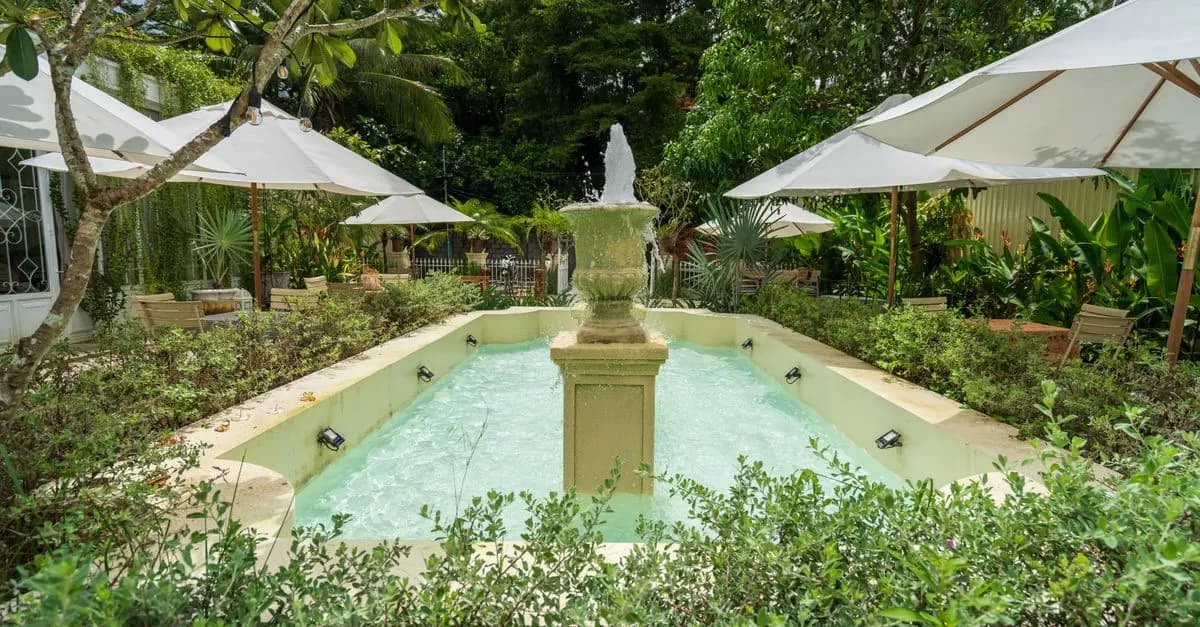
Adding a water element, such as a small fountain or a birdbath, can elevate your garden sanctuary to a new level of serenity. Water features are known to attract birds and other wildlife, enriching the ecosystem of your garden. Be sure to check for any building codes or restrictions in your area. The Environmental Protection Agency suggests using a solar-powered water pump to minimize energy consumption and reduce your environmental footprint.
Step 5: Add Comfortable Seating
Comfortable seating is essential to enjoy your garden sanctuary fully. Consider weather-resistant furniture or natural materials like wood or bamboo. According to research by Furniture Insights, incorporating ergonomic seating can extend the time you spend in your garden, thereby enhancing its mental health benefits. Ensure the seating area offers both sun and shade options to accommodate different times of day and personal preferences.
Step 6: Consider Lighting Options
Effective lighting can transform your garden sanctuary into an evening retreat. Solar-powered lights are popular as they are energy-efficient and easy to install. String lights or lanterns create a warm and inviting atmosphere. According to Phillips Lighting, using LED lights not only saves energy but also lasts longer, providing a sustainable option for garden illumination.
Step 7: Maintain Your Sanctuary
Maintenance is crucial to preserving the beauty and serenity of your garden sanctuary. Regular tasks include watering, weeding, and pruning. Consider setting a schedule to keep things manageable. According to the University of California's Agriculture and Natural Resources, mulching is an effective way to retain soil moisture and reduce weed growth. Avoid leaving garden waste as it can harbor pests that damage plants.
Comparative Analysis of Garden Features
| Feature | Option A | Option B | Option C | Verdict |
|---|---|---|---|---|
| Plant Choice | Native Plants | Exotic Blooms | Indoor-Friendly Plants | Native for low upkeep |
| Water Elements | Solar Fountain | Electric Pump Fountain | Birdbath | Solar for sustainability |
| Seating Type | Wooden Bench | Metal Furniture | Hammock | Hammock for relaxation |
| Lighting | Solar Lanterns | LED Path Lights | Battery String Lights | LED for energy savings |
- What is a garden sanctuary?
A garden sanctuary is a tranquil space combining nature with personal comfort, designed for relaxation and retreat.
- How much space do I need for a garden sanctuary?
It depends on available area—anything from a small balcony to a large yard can be a garden sanctuary.
- What are the best plants for a garden sanctuary?
Native plants are the best for a garden sanctuary as they require less maintenance and support local ecosystems.
- How can I add a water feature to my garden?
Consider easy-to-install options like solar water fountains or birdbaths, taking care of any regulatory restrictions.
Glossary
| Terme | Définition |
|---|---|
| Native Plants | Plants originally found in your region, best suited for local climate. |
| Ergonomic Seating | Comfortable seating designed to support natural postures. |
| LED Lighting | Energy-efficient lighting option that lasts longer than traditional bulbs. |
Checklist
- [ ] Assess available space for your garden sanctuary.
- [ ] Plan the layout with designated zones.
- [ ] Choose native plants for easier maintenance.
- [ ] Add at least one water feature.
- [ ] Install comfortable seating in shaded and sunny areas.
- [ ] Explore sustainable lighting options like solar or LED.
- [ ] Set a regular maintenance schedule to ensure upkeep.
📺 Pour aller plus loin : Creating a Tranquil Garden Sanctuary, a comprehensive guide to designing your personal retreat. Recherchez sur YouTube : "garden sanctuary design"
🧠 Quiz rapide : What is a key benefit of using native plants in your garden sanctuary?
- A) They require more water.
- B) They support local ecosystems.
- C) They need less shade.
Réponse : B — Native plants are best suited to local climates and support regional wildlife.