Table of Contents (13 sections)
Introduction to Ceramic Art
Ceramic art is one of the most ancient forms of art, offering a way to express creativity and patience. For beginners, it provides a grounding, tactile experience that is both therapeutic and rewarding. But what exactly is ceramic art? Simply put, it's the art of making objects out of clay and other ceramic materials, which are then heated at high temperatures to give them hardness and durability.
💡 Expert Insight: Ceramic art is a fantastic way to not only explore your creativity but also to develop patience and focus, qualities that are beneficial in many areas of life.
Step 1: Gather Your Essential Tools
Before you start creating, you need to have the right tools. Basic ceramic tools include a clay body, pottery wheel, kiln, carving tools, and a good work surface. Make sure to invest in a quality pottery wheel and kiln, as they are essential for shaping and firing your work. According to Ceramic Arts Network, a good beginner’s pottery wheel can start from $400, while kilns may range from $1,000 to $3,000, depending on the size and features.
Step 2: Choosing the Right Clay
There are different types of clay, each with distinct properties. Stoneware clay is popular among beginners due to its versatility and durability. Porcelain and earthenware clays are other options, but they require more skill. It’s best to start with a small quantity to practice and see what suits your style best. According to ArtCeramic, stoneware is the most forgiving for new potters.
Step 3: Understanding the Basics of Throwing
Throwing is the process of shaping the clay on the pottery wheel. Start by centering the clay—this is crucial for creating symmetrical pieces. With practice, you'll get the feel for the right amount of pressure and speed. Beginners often struggle with centering, but consistent practice will improve this. Online tutorials, like those from YouTube, can be invaluable.
Step 4: Learning Hand Building Techniques
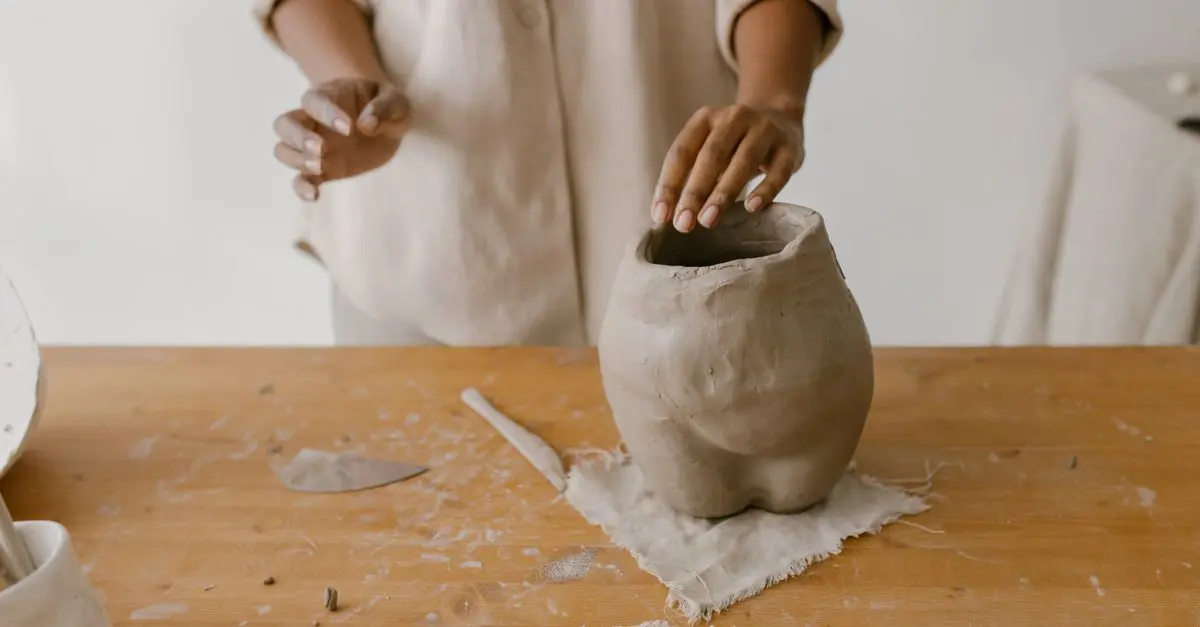
Not all ceramic art requires a pottery wheel. Hand building techniques, such as slab building, coiling, and pinching, allow for a lot of creativity and expression. These techniques are perfect for understanding the properties of clay and developing your style. Many beginners find hand building a fun way to explore their artistic ideas.
Step 5: Firing Your Pieces
Firing is key in setting the shape and hardness of your ceramic pieces. It's a two-stage process: bisque firing, which solidifies the clay; and glaze firing, which adds color and finish. Each step must be done at precise temperatures. According to The Kiln Handbook (2026 edition), misunderstanding kiln operation is the most common beginners' mistake.
Step 6: Glazing and Decoration
Glazing transforms your ceramic by adding color and a protective layer. There are several types of glazes: matte, glossy, and textured. Experiment with different techniques, such as brushing, pouring, or dipping, to find your preferred style. Always follow safety guidelines, as glazes can be toxic before firing. Glazy.org provides excellent resources for safely mixing and applying glazes.
Step 7: Continuous Learning and Practice
Art is a journey, not a destination. Joining a local pottery class or community can enhance your skills through shared techniques and inspiration. As per The Society for Ceramic Art Education, consistent practice is essential to mastering the craft. Attend workshops and exhibitions to stay updated with new trends and technologies in ceramic art.
📺 Resource Video
> 📺 For further exploration: Beginner's Guide to Pottery Wheel Techniques, watch on YouTube: "pottery wheel techniques for beginners".
📌 Checklist for Starters
- [ ] Acquire essential tools (wheel, kiln, tools)
- [ ] Start with stoneware clay
- [ ] Practice centering on the wheel
- [ ] Explore hand building methods
- [ ] Understand firing processes
- [ ] Experiment with glazing
- [ ] Engage in continuous learning
Glossary
| Term | Definition |
|---|---|
| Clay Body | A mixture of clay minerals suitable for ceramic arts. |
| Bisque Firing | The initial kiln firing hardening the clay body. |
| Glaze | A coating applied to ceramics providing color and finish. |
- What is the best clay for beginners in ceramic art?
Stoneware is recommended due to its versatility and forgiving nature.
- How important is glazing in ceramic art?
Glazing adds color and finish, protecting and enhancing the piece.
- Can I learn ceramic art online?
Yes, there are many online resources and videos for beginners.
- What are the most common mistakes to avoid?
Misfiring a kiln and poor centering techniques are frequent beginner errors.
🧠 Quiz rapide
> 🧠 Quiz rapide : What is the initial kiln firing process called?
> - A) Glazing
> - B) Bisque Firing
> - C) Slip Casting
> Réponse : B — Bisque firing hardens the clay body before glazing.