Table of Contents (19 sections)
Understanding Pottery Basics
Pottery is an ancient craft that involves shaping and firing clay to create functional or decorative objects. Understanding the fundamentals of pottery includes knowing the types of clay, various tools, and the firing process. Pottery offers a meditative experience and a tangible connection to creative expression.
Engaging in pottery requires patience and practice, but the results can be incredibly rewarding. According to The American Ceramic Society, pottery not only enhances creativity but also improves mental well-being. Understanding the basic techniques like wedging, centering, and trimming is crucial in producing quality pottery pieces.
Essential Pottery Tools for Beginners
When starting pottery, having the right tools is crucial. Pottery tools for beginners typically include:
- Pottery Wheel: Ideal for shaping clay evenly. Electric wheels are user-friendly for beginners.
- Rib and Scraper Tools: Great for smoothing and shaping pottery surfaces.
- Needle Tool: Used for trimming edges and creating intricate designs.
- Wire Cutter: Essential for cutting clay off blocks or separating pieces from the wheel.
- Sponges and Brushes: Helpful in smoothing surfaces and applying slip or glaze.
Investing in these tools can make pottery a more enjoyable and productive hobby. Choosing tools from reputable brands like Mudtools can ensure longevity and effectiveness.
Step-by-Step Pottery Making Process
Step 1: Preparing the Clay
Start by wedging the clay to remove air bubbles and ensure even consistency. This step is vital, as unevenly wedged clay can lead to cracks during firing.
Step 2: Centering on the Wheel
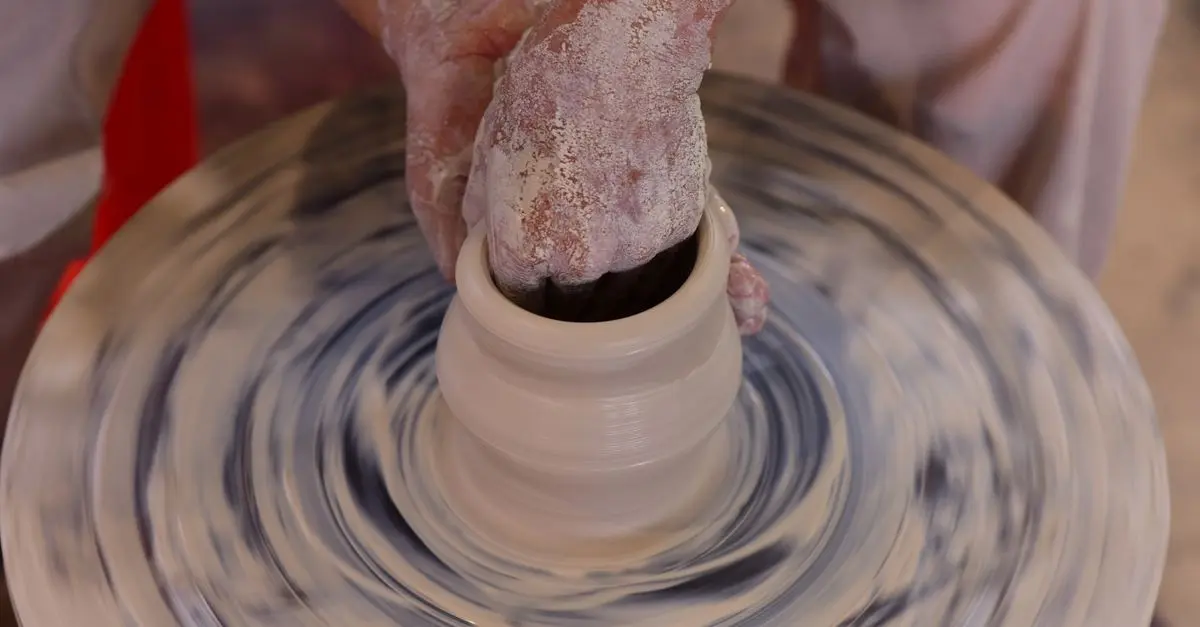
Centering is critical and might take time to master. Press the clay firmly into the center of the wheel while it's spinning. Keep your hands steady to avoid off-balanced pieces.
Step 3: Shaping the Clay
Once centered, use your hands and rib tools to shape the clay. Patience is key; rushing this step can result in uneven walls and collapsed forms.
Step 4: Trimming
After initial drying, trim excess clay to refine your piece. Use trimming tools to enhance the base and edges.
Step 5: Drying and Bisque Firing
Allow your piece to dry completely before bisque firing, the first round of firing that hardens the piece.
Step 6: Glazing and Final Firing
Apply glaze for decoration and waterproofing, followed by the final firing. Duncan Paints offers a variety of beginner-friendly glazes.
Choosing the Right Clay for Pottery
Selecting the appropriate clay type is essential for success in pottery. Consider the following options:
- Earthenware: Easily workable and ideal for decorative pieces.
- Stoneware: Durable and versatile, great for functional objects.
- Porcelain: Offers a smooth finish but can be more challenging to handle.
Each type has distinct textures and firing needs. According to experts from The Clay Studio, experimenting with different clays can help determine personal preferences.
Comparing Pottery Wheels
| Feature | Electric Wheel | Kick Wheel | Hybrid Wheel |
|---|---|---|---|
| Power | Motor Operated | Manual | Combined |
| Ease of Use | Beginner-friendly | Traditional | Versatile |
| Portability | High | Low | Medium |
| Cost | Moderate to High | Low | High |
Electric pottery wheels are highly recommended for beginners due to their ease of use and control.
How do I start pottery at home?
Begin with a small kit that includes a wheel, clay, and essential tools. Follow online tutorials or participate in a local pottery class.
What type of clay is best for beginners?
Earthenware is recommended for its ease of use and forgiving nature, making it suitable for beginners.
How can I avoid pottery cracking during firing?
Ensure the clay is well-wedged and allow pieces to dry slowly and evenly before firing.
Are there any safety concerns in pottery?
Always use a dust mask when sanding pottery, and be cautious with kiln operations.
Glossary
| Term | Definition |
|---|---|
| Bisque Firing | The first kiln firing of pottery to harden the clay without glaze. |
| Wedging | The process of kneading the clay to remove air bubbles and prepare it for use. |
| Kiln | An insulated chamber for firing pottery. |
Checklist
- [ ] Prepare and wedge the clay properly
- [ ] Use the right tools for shaping
- [ ] Center the clay on the wheel accurately
- [ ] Select the appropriate clay type
- [ ] Ensure proper drying before firing
📺 For more insights: [Pottery Basics: From Clay to Kiln], a detailed tutorial covering essential pottery techniques. Search YouTube:
pottery basics tutorial.