Table of Contents (8 sections)
Understanding Meditation
Meditation has been a cornerstone of wellness practices for centuries, serving as a tool for achieving mental clarity and emotional equilibrium. In 2026, the importance of meditation in promoting overall well-being is reinforced by data from the American Psychological Association, which states that regular meditation can reduce symptoms of anxiety by 40%. [Source: American Psychological Association]
Meditation practices vary widely, from simple mindful breathing to complex transcendental methods. Whether you're a complete novice or a seasoned practitioner, understanding these diverse techniques can elevate your meditation journey.
Step-by-Step Guide to Meditation
- Mindful Breathing
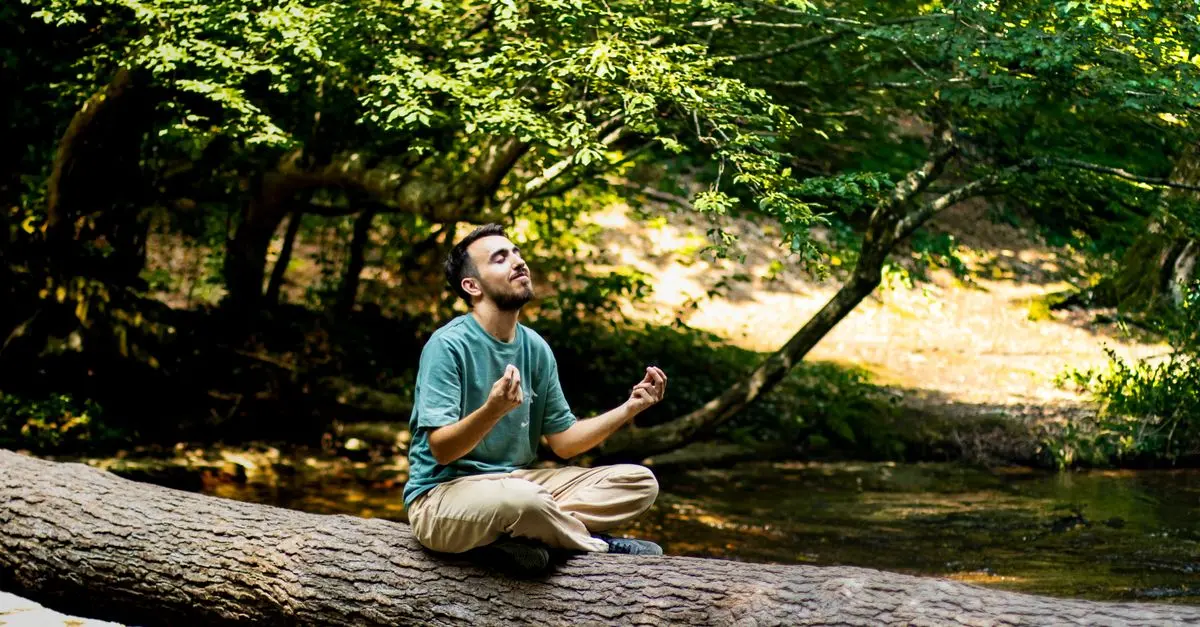
Focus on your breath to anchor yourself in the present moment. Sit comfortably, close your eyes, and take deep breaths. This technique is excellent for beginners to build a foundation in mindfulness.
- Guided Imagery
Listen to audio recordings that guide your thoughts through calming scenarios. This method enhances relaxation and can be particularly beneficial for those dealing with stress.
- Body Scan Meditation
Progressively focus on each part of your body, releasing tension from head to toe. This technique is often used to improve physical awareness and relaxation.
- Loving-Kindness Meditation
Cultivate a mindset of compassion by directing positive wishes towards yourself and others. Regular practice can enhance empathy and emotional resilience.
- Transcendental Meditation
Involves silently repeating a personalized mantra. According to a study by Harvard University in 2025, this method significantly decreases stress and enhances focus.
- Zen Meditation (Zazen)
Focuses on observing thoughts without judgment. Practicing Zazen regularly can lead to increased self-awareness and tranquility.
- Chakra Meditation
Engages your energy centers through visualization and affirmations. Practitioners believe it balances the mind, body, and spirit.
- Walking Meditation
Mindfully walk, paying attention to each step and your surroundings. This practice grounds you in the present and connects you physically and mentally with your environment.
Comparative Overview
| Technique | Ease of Start | Equipment Needed | Best for | Ideal Time |
|---|---|---|---|---|
| Mindful Breathing | Easy | None | Beginners | 5-10 mins |
| Guided Imagery | Moderate | Audio Device | Stress Relief | 10-20 mins |
| Transcendental Meditation | Moderate | Quiet Space | Stress Reduction | 15-20 mins |
| Walking Meditation | Easy | Outdoor Space | Mindfulness | 20-30 mins |
Recent trends show a surge in meditation app usage: reports from Sensor Tower indicate a 30% increase in downloads in 2025. This rise suggests that digital accessibility is making meditation practices more widespread across all age groups. Moreover, a 2024 survey by Pew Research Center found that 27% of Americans incorporate meditation into their daily routines, reflecting its growing acceptance in mainstream culture.
Frequently Asked Questions
- What is the best meditation technique for stress relief?
The American Psychological Association suggests starting with guided imagery or transcendental meditation for stress relief due to their structured approach and effectiveness.
- How long should a beginner meditate each day?
Experts recommend starting with 5-10 minutes daily, gradually increasing as comfort and familiarity with the practice grow.
- Is meditation suitable for children?
Yes, schools increasingly incorporate short mindful sessions aiding concentration and emotional regulation.
- Can meditation help with insomnia?
Studies published in the Journal of Clinical Sleep Medicine indicate meditation significantly improves sleep quality when practiced regularly before bed.
📺 For more insights: Explore Various Meditation Methods for an in-depth analysis. Search on YouTube: "different meditation techniques for wellness"
Glossary
| Term | Definition |
|---|---|
| Mindful Breathing | Focusing on the breath to stay present |
| Transcendental Meditation | Mantra-based meditation practice for stress relief |
| Zen Meditation (Zazen) | Observing thoughts without attachment |
- [ ] Try at least three different meditation techniques
- [ ] Dedicate a quiet space for practice
- [ ] Set a consistent schedule daily or weekly
- [ ] Track your progress and feelings in a journal
- [ ] Explore additional resources or apps for guided sessions
🧠 Quiz rapide : What's commonly used in Transcendental Meditation?
- A) Mantras
- B) Yoga Mats
- C) Visual Aids
Réponse : A — Mantras are crucial for focus in Transcendental Meditation.