Table of Contents (12 sections)
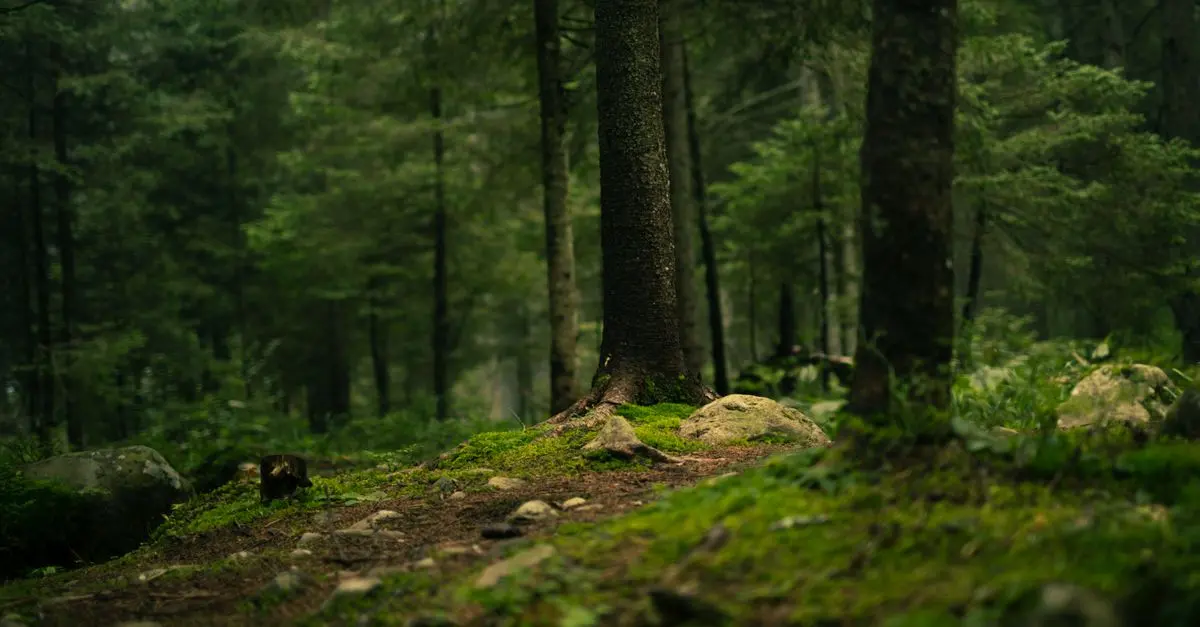
Forest bathing, known as shinrin-yoku in Japan, is the act of immersing oneself in the natural environment of a forest. This practice encourages a form of therapeutic leisure that is aimed at improving mental and physical well-being by reconnecting with nature. The concept emerged in the 1980s in Japan and has since gained popularity worldwide as a wellness trend due to its purported health benefits, such as reducing stress, enhancing mood, and boosting the immune system. According to the Association of Nature and Forest Therapy, forest bathing is about engaging all your senses in the natural surroundings.
Steps to Effective Forest Bathing
- Choose the Right Location
Selecting a proper setting is vital for forest bathing. Ideally, find a forested area that is rich in biodiversity with a variety of trees, flora, and fauna. National or state parks are excellent choices, offering trails that support immersive experiences. Avoid urban parks with heavy traffic noise as they might disrupt the serene environment you're aiming for.
- Leave Behind Distractions
To truly engage with nature, it's crucial to leave your electronic devices behind. Use this time to disconnect from your digital world, allowing yourself to be fully present in the environment. According to Psychology Today, minimizing screen time during such activities is correlated with enhanced mental clarity and reduced stress.
- Engage Your Senses
A cornerstone of forest bathing is the activation of all five senses. Listen to the rustling leaves, feel the texture of the bark, inhale the earthy aroma, observe the vibrant colors of the foliage, and perhaps taste the freshness in the air. This multi-sensory experience can lead to mindfulness and deep relaxation.
- Capture the Moments
While it might sound counterproductive, sometimes recording small notes or sketches can enrich your experience. Documenting your feelings and observations could heighten your mindfulness without relying on technology. A simple notepad and pen are recommended.
- Practice Mindful Walking
Walk slowly through the forest, taking deliberate steps. Notice each footfall on the ground and how your body moves. The International Journal of Environmental Research and Public Health highlights that such mindful movement in nature can reduce anxiety and improve mood.
- Relax and Reflect
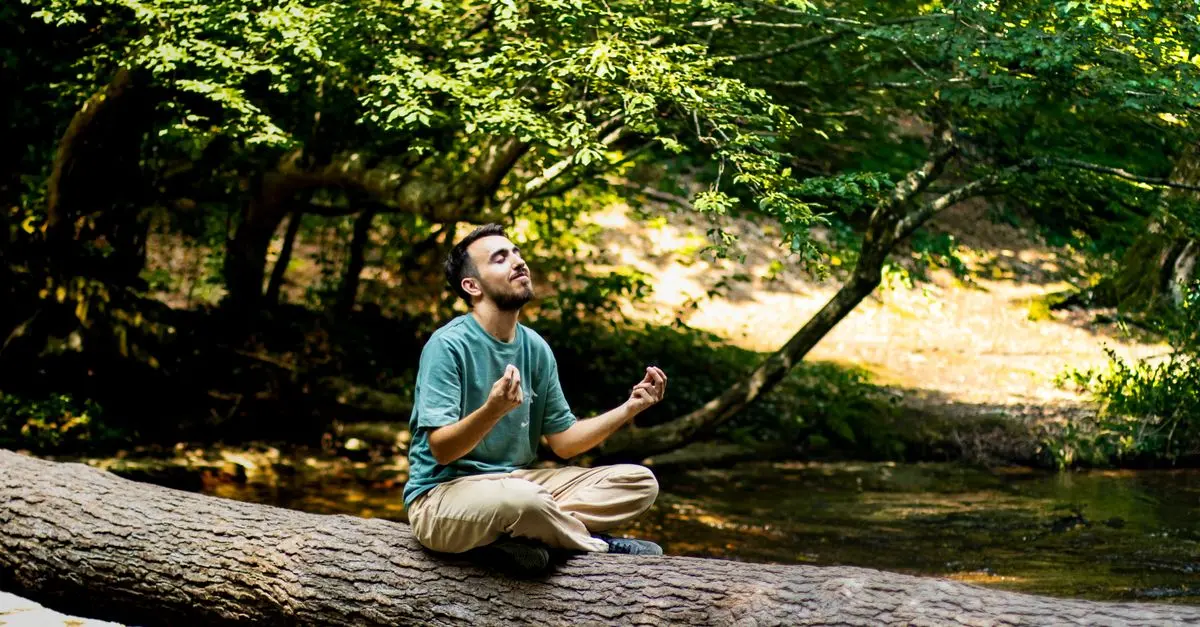
Find a comfortable spot to sit or lie down, allowing nature to envelop you. This time of reflection can be used for meditation or simply soaking in the quiet. Such moments are vital for reducing cortisol levels and promoting a sense of peace, as stated by a report from Harvard Health Publishing.
- Conclude Gently
Gradually prepare to leave the forest with a quiet moment of gratitude for what you experienced. Reflect on what you learned about yourself and your connection to nature. Journaling your thoughts upon exiting can serve as a personal reminder of nature's restorative power.
Comparative Analysis
A comparison between forest bathing and traditional nature walks is beneficial to understand their differences:
| Aspect | Forest Bathing | Traditional Walk | Urban Walk | Trekking |
|---|---|---|---|---|
| Pace | Slow, mindful | Moderate | Brisk | Varies |
| Focus | Sensory immersion | Physical exercise | Fitness | Adventure, challenge |
| Environment | Quiet, natural | Natural, may vary | Urban, noisy | Natural, rugged |
| Goal | Relaxation, mindfulness | Exercise | Fitness | Adventure |
According to a study published in Environmental Health and Preventive Medicine, forest bathing can significantly decrease anxiety, depression, anger, and fatigue. The practice has potential cardiovascular benefits, including lowering blood pressure and heart rate. Additionally, exposure to forest environments has been shown to enhance immune function by increasing the number of natural killer cells in the body, as per the Journal of Biological Regulation & Homeostatic Agents.
Frequently Asked Questions
What is forest bathing?
Forest bathing, or shinrin-yoku, is a Japanese practice of immersing oneself in forest environments to improve well-being.
How long should a forest bathing session last?
Typically, sessions last between 2 to 4 hours, but even a short 20-minute experience can be beneficial.
Do you need to bring any special equipment?
No special equipment is needed. It's advised to wear comfortable clothing and shoes, and perhaps bring water.
Can forest bathing be done alone?
Yes, forest bathing can be practiced alone or in guided groups led by a trained instructor for a deeper experience.
📺 Resource Video
📺 For more insights: Forest Bathing: Connecting with Nature for Wellness, an in-depth analysis of [forest therapy's benefits and techniques]. Search on YouTube: "forest bathing wellness benefits tutorial".
Glossary
| Term | Definition |
|---|---|
| Forest Bathing | A practice of immersing oneself in a forested area to promote health and wellness. |
| Mindfulness | A mental state achieved by focusing awareness on the present moment while calmly acknowledging feelings. |
| Ecosystem | A biological community of interacting organisms and their physical environment. |
- [ ] Choose your forest location
- [ ] Leave electronic devices at home
- [ ] Pack a small notepad and pen
- [ ] Wear appropriate clothing and footwear
- [ ] Schedule enough time for the experience
🧠 Quiz rapide : What is an essential aspect of forest bathing?
- A) Walking fast
- B) Engaging all senses
- C) Using your phone
Réponse : B — Engaging all senses is crucial to the practice of forest bathing.