Table of Contents (14 sections)
In recent years, especially as people are becoming more health-conscious, lifestyle trends such as Meditation and Tai Chi have garnered significant interest. Both practices are known for their calming effects and benefits on mental and physical health, yet they differ in methods and outcomes. Understanding their holistic benefits can lead you to a choice that aligns with your lifestyle goals.
What is Meditation?
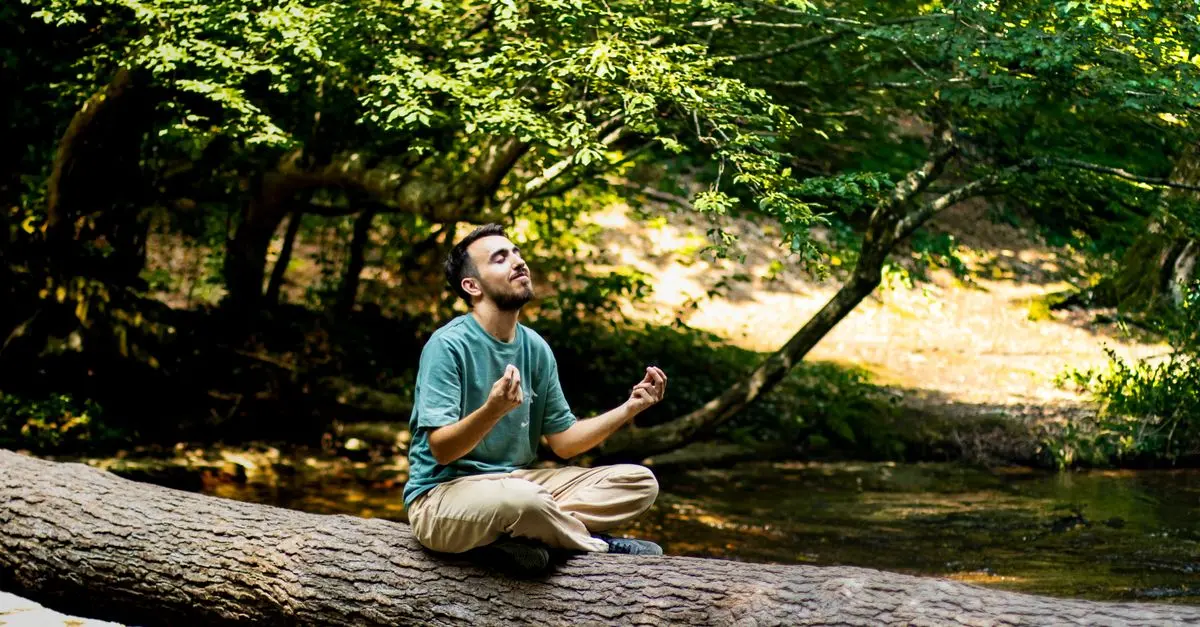
Meditation is a mental practice that involves focusing the mind to achieve a mentally clear and emotionally calm state. Originating from ancient spiritual traditions, it has now found its place in modern psychology and fitness routines. According to a study by UCLA in 2022, consistent meditation practice can lead to measurable changes in brain function, improving attention span and emotional resilience.
Meditation can take many forms—mindfulness, transcendental, guided, and more. Mindfulness meditation, for instance, encourages practitioners to remain present and develop awareness of thoughts without judgment. This practice strengthens the mental faculties, enhances emotional health, and reduces symptoms of stress and anxiety.
What is Tai Chi?
Tai Chi, often referred to as “meditation in motion,” is a traditional Chinese martial art known for its gentle, flowing movements. It combines physical exercise with meditation, allowing practitioners to develop bodily harmony, balance, and focus. Research has shown that Tai Chi can enhance balance and flexibility, making it particularly beneficial for older adults. According to a review published in the Journal of Sports Medicine in 2023, practicing Tai Chi can significantly reduce fall-related injuries among older adults.
The practice of Tai Chi consists of a series of movements performed in a slow, graceful manner. Each movement transitions smoothly into the next, integrating breath control and relaxation. This art form not only provides physical benefits but also promotes mental clarity and emotional stability, creating an all-encompassing approach to well-being.
Comparison of Meditation and Tai Chi
| Criterion | Meditation | Tai Chi | Verdict |
|---|---|---|---|
| Intensity | Low intensity, focuses on mental processes | Moderate intensity, incorporates physical movements | Choose meditation for mental clarity, Tai Chi for physical engagement |
| Physical Benefits | Minimal direct physical benefit | Improves balance, flexibility, and strength | Tai Chi offers clear physical benefits |
| Accessibility | Can be done anywhere, no special equipment required | Requires space for movement, but can be practiced outdoors | Meditation is more accessible |
| Social Aspect | Generally solitary | Often practiced in groups, fostering community | Tai Chi enhances social interaction |
Intensity and Focus
Both practices differ substantially in terms of intensity and focus. Meditation is generally low-intensity; it is primarily a mental exercise that can be performed in any quiet space, enhancing mindfulness and reducing stress levels. In contrast, Tai Chi has moderate intensity, incorporating slow movements that involve the entire body. While practicing Tai Chi, individuals need to focus on their movements, balance, and breathing, merging physical activity with mental focus.
Physical Benefits
While both practices impact mental health positively, Tai Chi offers more significant physical benefits. It works on developing strength, flexibility, posture, and coordination. Research indicates that individuals practicing Tai Chi have shown improvements in muscle strength and reduced risks of falls. Meditation primarily influences mental clarity and emotional well-being but has limited physical exercise benefit.
Accessibility
In terms of accessibility, meditation wins hands down. It can be practiced anywhere and requires no specific equipment. You can meditate in your living room, at a park, or even during a break at work. Tai Chi, however, requires a clear space to perform the graceful movements effectively, making it less accessible on the go.
Social Aspect
Tai Chi is often practiced in groups, offering social benefits alongside physical activity. Group practice fosters connectivity and motivation among practitioners, making it a favorable choice for individuals seeking social engagement. Conversely, meditation is typically a solitary experience, which might lack the social interaction that some individuals seek.
💡 Expert Opinion: According to Dr. John Kabat-Zinn, a pioneer in mindfulness, “Both meditation and Tai Chi can significantly enhance quality of life, but structuring your practice in a way that aligns with your lifestyle will yield the best results.”
📺 Resource Video
> 📺 For further exploration: Watch a comprehensive guide on the benefits of Meditation and Tai Chi to enrich your practice. Search on YouTube: Meditation vs Tai Chi 2026.
Data-Driven Insights
As per the report by Statista, about 15% of American adults practiced meditation at least once from 2022 to 2026, showcasing a growing trend in leisure lifestyle modifications. Additionally, a survey conducted by Harvard Health in 2021 found that individuals practicing Tai Chi reported a 30% increase in their overall well-being and physical health. These statistics affirm the rising popularity of both practices in the leisure lifestyle category, indicating a shift towards integrating wellness into daily routines.
Glossary
| Term | Definition |
|---|---|
| Meditation | A practice focusing the mind to achieve heightened awareness and emotional calm. |
| Tai Chi | A traditional Chinese martial art focused on slow, controlled movements and breath. |
| Mindfulness | The practice of maintaining a moment-by-moment awareness of our thoughts and feelings.
Checklist before purchase
- [ ] Identify your primary wellness goals.
- [ ] Assess your available space for practice.
- [ ] Determine whether you prefer solitary or group activities.
- [ ] Explore online resources for guided practices.
- [ ] Try introductory classes to experience both firsthand.
Conclusion
Whether choosing Meditation or Tai Chi, understanding your preferences and wellness goals can guide your decision. Meditation serves as a mental tool for clarity and peace, while Tai Chi enriches physical engagement and fosters community. Explore both options to discover what resonates best with your lifestyle.
Call to Action: Start your wellness journey today! Choose one practice and commit to a schedule, enriching your leisure lifestyle trends.
📺 Pour aller plus loin : Meditation vs Tai Chi 2026 sur YouTube