Table of Contents (9 sections)
Introduction to Mindfulness
Mindfulness, a practice with roots in ancient meditation traditions, has gained considerable attention in the modern world. But what exactly is mindfulness, and why should we care about it in 2026? At its core, mindfulness involves paying attention to the present moment without judgment. This practice contrasts sharply with the constant stream of thoughts and distractions typical of our daily lives. According to Harvard Health, mindfulness can significantly reduce stress and improve emotional resilience. With growing evidence supporting its benefits, it is increasingly being incorporated into wellness and healthcare programs globally.
How Mindfulness Enhances Quality of Life
Incorporating mindfulness into daily routines can profoundly impact one's quality of life. Benefits of mindfulness include not only stress reduction but also improved concentration and emotional regulation. For instance, a study by American Psychological Association found that regular mindfulness practice can decrease feelings of anxiety and depression by up to 30%. Furthermore, practicing mindfulness helps cultivate an awareness that can lead to healthier lifestyle choices. Those who incorporate mindfulness often report a greater sense of fulfillment and connection with their surroundings, contributing positively to their overall well-being.
Practicing Mindfulness: A Step-by-Step Approach
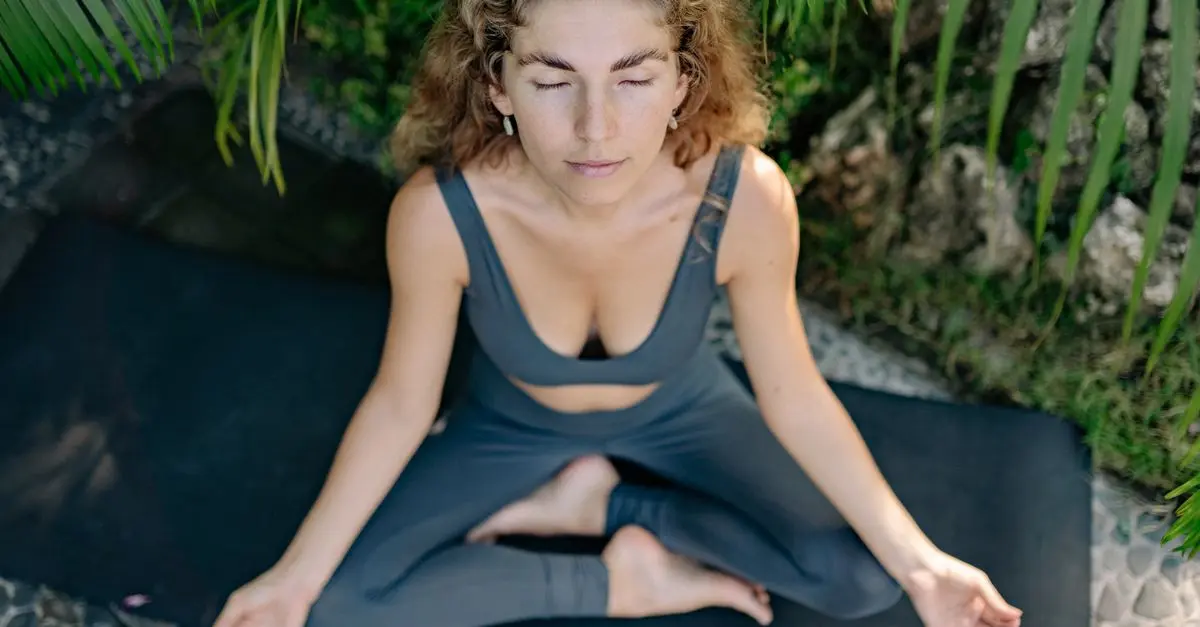
How does one begin integrating mindfulness into their life? It starts with small, manageable steps:
- Set Aside Time: Begin with as little as 5 minutes a day dedicated to mindfulness practice.
- Focus on Breathing: Pay attention to your breath, noting each inhale and exhale.
- Body Scan: Perform a mental scan from head to toe, acknowledging any areas of tension.
- Non-judgment: Observe thoughts as they arise without criticism.
- Regular Practice: Consistency is key—incorporate these practices into daily routines to cultivate a lasting habit.
This gradual integration can lead to significant, positive changes in emotional and cognitive habits over time.
Mindfulness vs. Other Stress-Reduction Techniques
One might wonder about how mindfulness compares to other stress-reduction methods such as yoga or exercise. Here’s a simple comparison:
| Criteria | Mindfulness | Yoga | Exercise | Verdict |
|---|---|---|---|---|
| Flexibility | High (can be done anywhere) | Medium (requires space) | Medium (requires space) | Mindfulness wins |
| Equipment Needed | None | Mat or props needed | Gym gear or equipment | Mindfulness wins |
| Time Investment | Low | Medium | High | Mindfulness is easiest |
| Skill Level | Beginner-friendly | Requires guidance | Needs physical effort | Mindfulness adaptable |
The Numbers Behind Mindfulness: What Does the Data Say?
Quantitative data supports the effectiveness of mindfulness. Centers for Disease Control and Prevention reveal that more than 40% of adults who practice mindfulness report better mental health outcomes. Moreover, industries incorporate mindfulness to enhance employee productivity and reduce burnout rates. In 2025, Forbes highlighted a 25% increase in corporate wellness programs featuring mindfulness modules. These statistics underscore mindfulness as an evidence-based approach to enhancing mental health and productivity.
Frequently Asked Questions
- What is the main benefit of mindfulness?
Mindfulness offers several benefits including stress reduction, improved concentration, and better emotional regulation.
- How can I start practicing mindfulness?
Begin with a few minutes each day, focusing on your breath and acknowledging your thoughts without judgment.
- Is mindfulness compatible with other forms of stress relief?
Yes, mindfulness complements activities like yoga and physical exercise, enhancing overall stress management.
- Can mindfulness improve my work performance?
According to various studies, mindfulness can lead to increased focus and reduced burnout, improving overall work performance.
Conclusion
In conclusion, the benefits of mindfulness extend far beyond stress reduction, touching every aspect of life. As we've explored, integrating mindfulness can lead to measurable improvements in mental health, and provide a powerful tool for navigating the challenges of modern life.
💡 Avis d'expert: Mindfulness is not a one-size-fits-all remedy but a highly adaptable practice that can be fine-tuned to meet individual needs and lifestyles. As with any wellness practice, consistency and adaptation are key to reaping its full rewards.
Glossary
| Term | Definition |
|---|---|
| Mindfulness | A practice involving focused awareness of the present moment without judgment. |
| Body Scan | A mindfulness practice that involves checking in with each part of the body for tension or stress. |
| Emotional Regulation | The ability to manage and respond to emotional experiences in a healthy manner. |
- [ ] Dedicate specific time each day to practice mindfulness.
- [ ] Focus on breathing as a starter exercise.
- [ ] Incorporate a daily body scan to check for tension.
- [ ] Observe thoughts without placing any judgment.
- [ ] Commit to regular practice for sustained results.
📺 Pour aller plus loin : How to Practice Mindfulness: A Beginner's Guide, an in-depth analysis of mindful living. Recherchez sur YouTube: "mindfulness guide beginner".