Table of Contents (9 sections)
Understanding Art Therapy
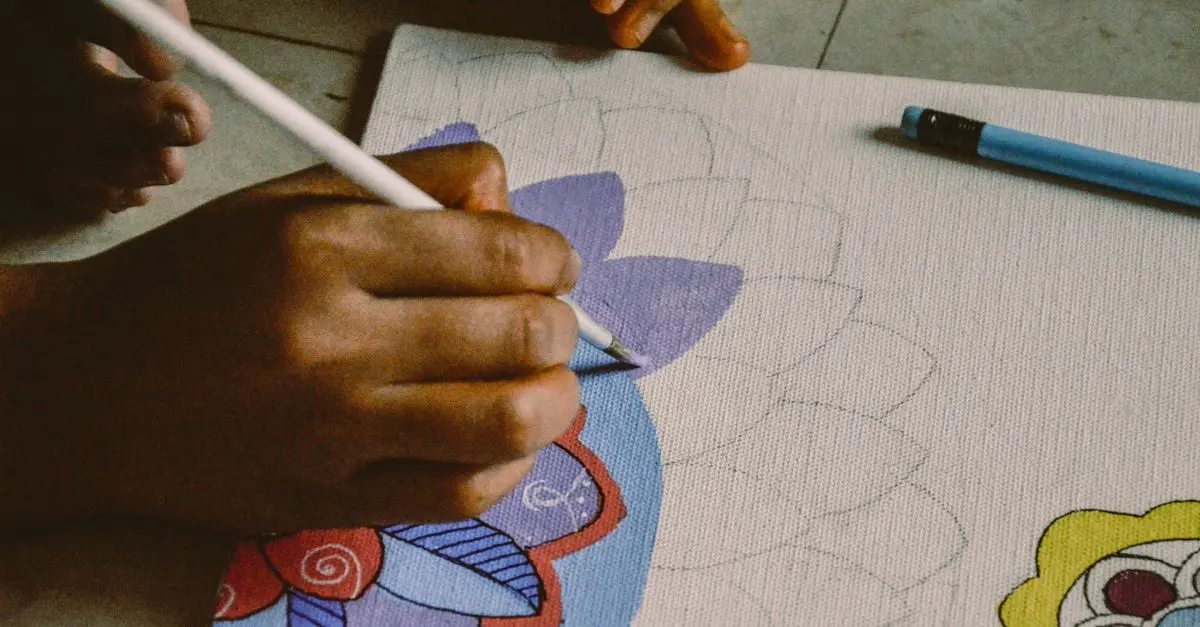
Art therapy, a therapeutic approach that integrates psychological and artistic practices, is emerging as a powerful tool for healing. Unlike traditional therapy, art therapy uses creative outlets like painting, sculpting, and drawing to enable individuals to express emotions and thoughts that may be difficult to articulate verbally. This form of therapy benefits individuals dealing with various mental health challenges, including anxiety, depression, and trauma. The American Art Therapy Association defines art therapy as a mental health profession that enriches the lives of individuals through the creative process.
In recent years, this form of therapy has gained popularity, with many studies highlighting its effectiveness. According to a study by the National Institute of Health, art therapy can significantly reduce symptoms of emotional distress. Furthermore, a survey conducted in 2025 indicated that 70% of participants experienced a decrease in stress levels after engaging in art therapy over a six-month period.
Steps to Begin Art Therapy
Starting with art therapy doesn't require you to be an artist. The focus is on the process, not the end product. Here’s a simple guide to getting started:
- Identify Your Goals: Determine what you hope to achieve. Are you looking to manage stress, process emotions, or simply find a creative outlet?
- Choose Your Medium: Whether it’s painting, drawing, or sculpting, choose a medium that resonates with you. This will make the process enjoyable and more authentic.
- Find a Professional: It's beneficial to work with a credentialed art therapist who can offer guidance. Check for certifications from the American Art Therapy Association.
- Set Up a Creative Space: Dedicate a space where you feel comfortable and inspired. Ensure it’s free of distractions.
- Regular Practice: Commit to regular sessions to reap the maximum benefits. Start with once a week and gradually increase as you feel comfortable.
Art Therapy vs. Traditional Therapy
| Criteria | Art Therapy | Traditional Therapy |
|---|---|---|
| Approach | Creative process | Talking and cognitive methods |
| Suitable For | Visual thinkers, children, trauma | Verbal communicators, general |
| Environment | Often in a creative studio or clinic | Office or clinical setting |
| Accessibility | Requires materials and space setup | Requires only a private dialogue |
Art therapy offers an alternative therapeutic route, often appealing to those who find verbal communication challenging. It's shown to engage different brain areas linked to creativity and emotional processing, making it distinct from traditional psychotherapy methods.
Data and Trends in Art Therapy
Art therapy continues to grow as a respected therapeutic practice. The global art therapy market was valued at over $2 billion in 2024 and is projected to grow annually by 3.5% according to a report by Allied Market Research. The rise in mental health awareness and the broadening acceptance of alternative therapies contribute to this trend.
During the pandemic, virtual art therapy sessions saw increased adoption, making therapy accessible remotely. Clinicians from the American Psychological Association note that virtual art therapy retains many benefits of in-person sessions, emphasizing its adaptability and growing importance in the therapeutic landscape.
Frequently Asked Questions
What qualifications does an art therapist need?
An art therapist typically holds a master's degree in art therapy and is credentialed by recognized bodies like the American Art Therapy Association.
Can anyone practice art therapy at home?
While engaging in creative activities can be therapeutic, formal art therapy should be practiced under the guidance of a qualified therapist to address specific mental health needs.
How quickly can one see results with art therapy?
Individuals may start noticing changes in their mental state after several sessions, though therapy always depends on individual circumstances.
Is art therapy suitable for children?
Yes, art therapy is particularly beneficial for children as it offers them a non-verbal mode of expression, which can be crucial for processing complex emotions.
Glossary
| Terme | Définition |
|---|---|
| Art Therapy | A form of therapy using creative art processes for mental health support. |
| Therapeutic Process | Activities aiming to improve mental health and well-being. |
| Mindfulness | A practice involving focused attention and awareness, often used in therapeutic contexts. |
Checklist before Starting Art Therapy
- [ ] Set clear therapeutic goals
- [ ] Research potential art therapists
- [ ] Prepare a creative space
- [ ] Acquire basic art materials
- [ ] Commit to a regular schedule
📺 Resource Video
> 📺 For further exploration: Art Therapy Techniques and Benefits, an insightful walkthrough of various art therapy methods. Search on YouTube: "Art Therapy Techniques 2026".
💡 Avis d'expert : Art therapy is not merely about art, but a profound journey into self-discovery and healing. Its effectiveness in mental health care is well-substantiated by research, proving it to be a versatile tool for profound change.